
Reviewed · MUSEUMS
Stavanger: Norwegian Petroleum Museum – Entrance Ticket
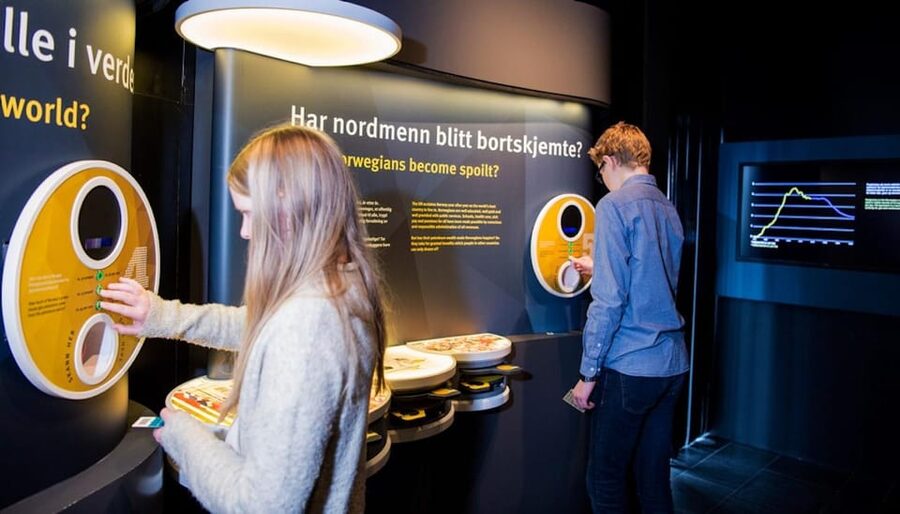
The Norwegian Petroleum Museum in Stavanger is interesting because it turns a complicated subject into something you can see and do, from oil formation underground to the climate challenge aboveground. I like the hands-on exhibition style, and I also like how the museum connects petroleum to real-world consequences in Norway and beyond. One thing to consider is that a lot of the content is device- and screen-driven, so if you prefer quiet galleries only, you may want to pace yourself.
I also appreciate the clear family setup. You get adult learning, plus kid zones with active play, a picture quiz, and a rescue chute and catastrophe room for different energy levels. The only drawback I’d flag is that the topics move quickly, so going with a plan helps, especially when you are managing children.
Key highlights at Norsk Oljemuseum (Norwegian Petroleum Museum)
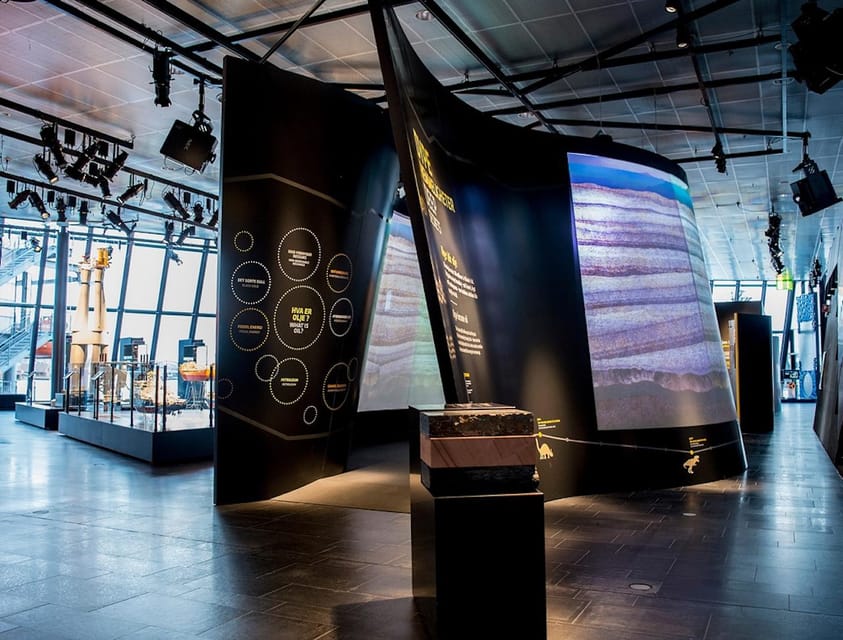
- Oil and gas explained step-by-step with original objects, models, films, and interactive displays
- The climate challenge is built into the story, not treated like an add-on
- Oilkid film helps frame change through a personal, youth-focused angle
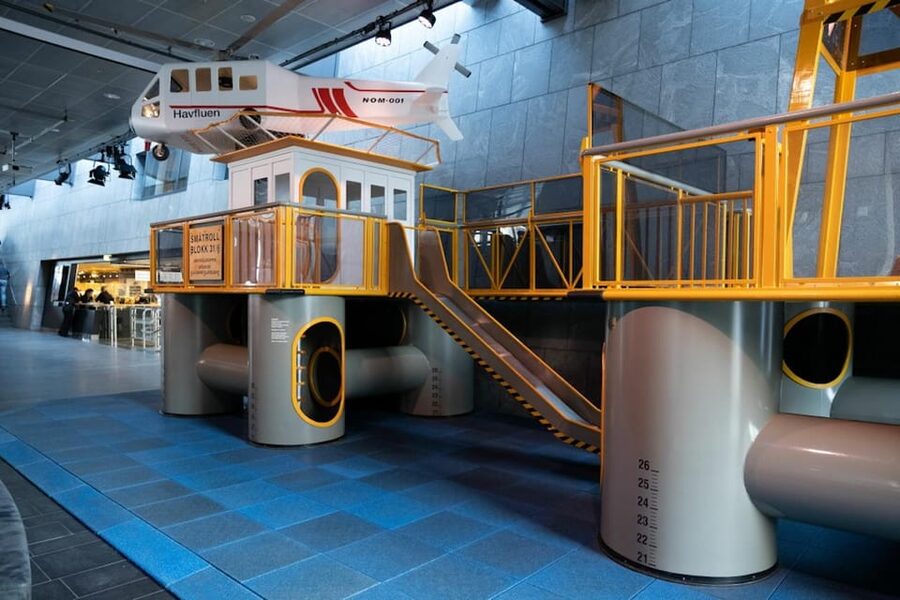
- Kids get their own mission areas including a play platform for sliding, playing, and climbing
- Family picture quiz gives everyone a reason to slow down and inspect details
Why this Stavanger museum is more than an oil lesson
This museum works because it treats petroleum like a system, not a single industry topic. You start with formation and where resources come from beneath the seabed, then follow the chain through exploration, drilling, and production. That means the museum is useful whether you are trying to understand Norway’s economy, how offshore operations work, or why global greenhouse gas emissions matter.
I like that the museum does not pretend oil and gas are the whole picture. It repeatedly links the sector to Norway’s society through oil revenue, then swings into climate change and global warming. It is the rare place where you can learn the mechanics and still face the moral math of emissions.
If you are traveling with kids, the tone stays approachable. The active areas are there for a reason. Even if your children only catch parts of the explanations, they still get the bigger message through interactive games and physical play.
More museums in Stavanger:
- Kon-Tiki Museum Entrance Ticket
★ 4.5 · 1,096 reviews - Oslo: Paradox Museum Entry Ticket
★ 4.3 · 799 reviews - The Fram Museum Admission Ticket
★ 4.5 · 490 reviews
Tickets, 1-day flexibility, and how to plan your visit
You are buying a 1-day entrance ticket, which is great if your Stavanger schedule is flexible. The museum is open all year, so you can often fit it in on a travel day without stress, even outside the summer rush.
That said, a 1-day ticket does not mean a quick stop. There is enough content that you will want to spend a chunk of the day, especially if you want the kids’ play platform and the main petroleum galleries. If you have limited time, focus first on what you care about most: petroleum operations, the climate sections, or family activities.
The museum film Oilkid is a strong place to start. It gives context, and it can set expectations for the rest of your visit. Then you can move through the exhibitions with a clearer mental map.
Where to find the museum in the city near Vågen
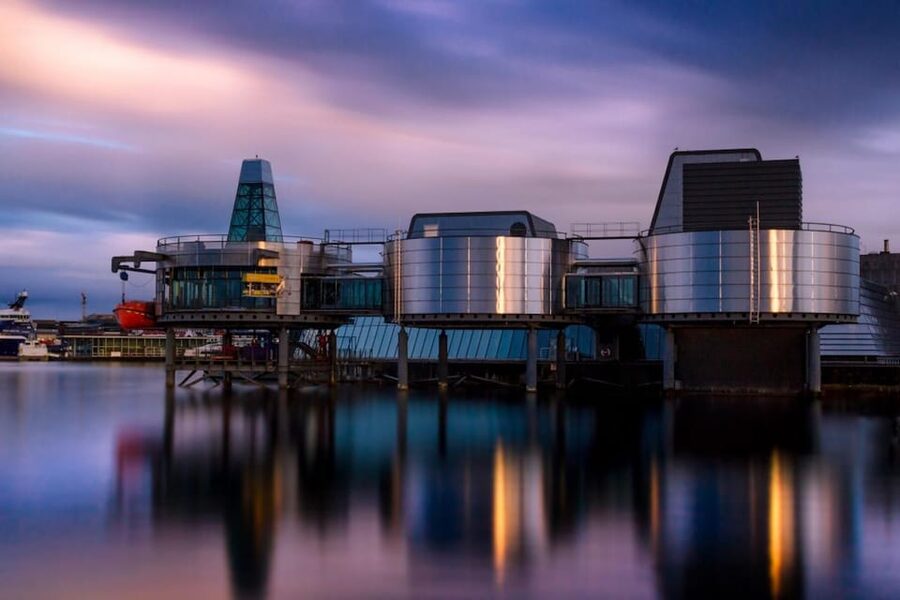
The Norwegian Petroleum Museum sits in Stavanger city center close to Vågen, the harbor area. That is convenient because it makes a museum day feel like part of a normal walk around town, not a separate expedition.
For parking, the practical tip is Jorenholmen. If you are driving, that matters because downtown Stavanger can be easier when you have a reliable option near your route.
On top of that, the museum has English and Norwegian language support, with staff available as hosts or greeters in those languages. Even without a formal guided tour included, you can usually get your bearings fast when you need it.
Start smart with the Oilkid film
The museum film “Oilkid” is about growing up in times of change. That simple framing matters because it helps you read the museum’s bigger themes without getting lost in technical details.
I like films in museums when they do two jobs: they explain context and they guide your attention. Oilkid does that. It turns climate change and the petroleum era into something you can process as a lived experience, not just a timeline.
If you are visiting with children, the film can also act like a reset. When the exhibits start to feel busy or technical, a short narrative can help younger visitors re-focus.
Other ways to spend a day around Stavanger
- Stavanger: Electric Fjord Cruise to Lysefjord & Preikestolen
★ 4.6 · 8,385 reviews - Stavanger: Fjord Cruise to Lysefjord and Pulpit Rock
★ 4.8 · 1,357 reviews - From Stavanger: RIB Tour to Lysefjord
★ 4.9 · 1,288 reviews - From Stavanger: Lysefjorden & Pulpit Rock RIB Boat Tour
★ 4.8 · 1,156 reviews
Petroleum exhibitions: oil formation, finding resources, and drilling production
The core of your visit is the story of offshore operations becoming Norway’s most important industry. The museum walks you through several big ideas in a logical sequence:
- How oil and gas form
- How resources beneath the seabed are found
- How drilling and production are conducted
You will see original objects, models, and films, plus interactive exhibits. That mix is valuable because it changes how your brain processes the topic. Objects and models help you understand scale and structure, films provide motion and clarity, and interactive displays let you test ideas instead of only reading them.
Another thing I appreciate is that the museum does not stop at the science. It covers technological advances made by the sector. That gives you a sense of progress, tradeoffs, and the constant push to operate farther out and more safely.
If you come from a country with little offshore presence, you will likely find it especially helpful. It explains the “how” behind the headlines, from what is happening physically to why offshore operations are such a major capability.
The climate challenge section and why it feels integrated
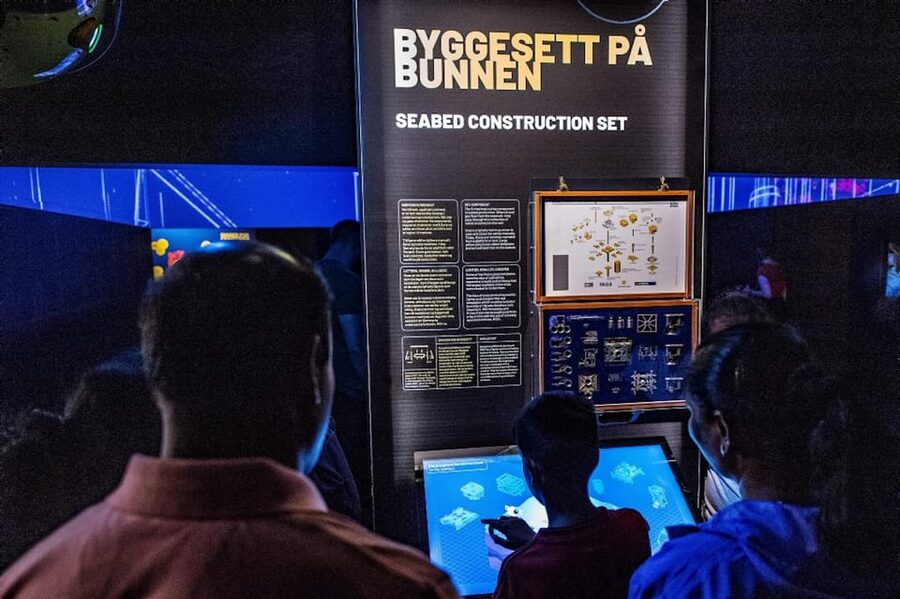
One reason this museum rates highly is the way the climate topic is part of the main narrative. Greenhouse gas emissions and global warming are covered as part of the story of what petroleum means now.
I like that this section is not isolated. You learn about the industry, then you face the climate challenge with a clear sense of why emissions are tied to global energy choices. That sequencing helps you avoid the common “two separate worlds” problem you sometimes get in museums.
For readers who want practical understanding, the museum’s approach is useful: it keeps the climate discussion connected to the industrial reality you just saw. You do not just memorize facts. You connect cause and effect.
If you are the type who worries about oversimplification, you will still be happy here. The museum includes technology, original materials, and interactive elements, so your learning has more than one entry point.
How oil revenue shaped Norwegian society

The petroleum story is also a Norway story. The museum includes exhibits on how oil revenue affected Norwegian society. This is important because it moves the conversation beyond engineering and into economics and public life.
You can come away with a better sense of why the country built capabilities around offshore work, how investment and resources translate into national choices, and why the petroleum era matters even if you personally never set foot on a platform.
I recommend paying attention to the parts that connect to governance, jobs, and long-term thinking. That is where a lot of visitors realize petroleum is not only a natural resource. It is also a policy and planning challenge.
What the museum film and exhibitions teach kids, without dumbing it down
The museum has activities for adults and children of all ages, and it is built into the physical layout rather than tacked on. That is the right approach. Kids have a place to burn energy while parents learn.
In the children’s areas, you can find:
- a rescue chute
- a catastrophe room
- interactive games
- a play platform where little ones can slide, play, and climb
Even if your child only does part of it, the experience still supports the learning. The play areas let them connect concepts to movement and trial, which tends to stick better than reading a label.
If you are visiting as a family, I’d use the children’s zone as a pacing tool. Plan a short activity break there in the middle of your petroleum galleries. It keeps the whole visit from turning into a long “sit and read” stretch.
Family picture quiz: a fun way to slow down
A picture quiz can bring structure to a self-guided museum day. It gives the family a shared task: find details of the exhibitions and match what you notice.
I like this approach because it turns observation into a game. Instead of rushing from screen to screen, you start to look closely at models, artifacts, and the small explanations you might otherwise miss.
It also works well when you have different ages in one group. Kids can focus on the visual hunt, while adults can catch up on the meaning behind what they find.
Interactive exhibitions you can use even if you hate gimmicks
Not everyone loves interactive exhibits. Some feel like distractions. Here, the interactivity generally supports the learning goals: formation, locating resources, and understanding drilling and production.
The value of interactive learning in this type of museum is simple. When you can control a variable or trigger a response, you stop treating petroleum as a black box. You begin to understand it as a process with steps.
A practical way to use the interactive side is to do it in short bursts. Try one display, then look for the related model or object nearby. That “action then observation” rhythm helps your brain stitch the museum together.
Suggested visit flow for one-day tickets
Since you have a 1-day entrance ticket, you can choose a path. Here’s a flow that tends to work well:
1) Get oriented with the Oilkid film
2) Hit the main petroleum storyline, focusing on oil formation and how resources are found
3) Move into drilling and production sections, paying attention to technological advances
4) Take the climate sections seriously, so you remember the cause and effect
5) Finish with the family-focused activities and the picture quiz
If you are short on time, prioritize the petroleum sequence first, then do climate. Kids activities can run throughout the day, but leaving them for late can sometimes work if energy is still good.
Price and value: is $19 per person fair
At about $19 per person, this ticket price is reasonable for a museum that covers multiple major topics, uses original materials, and includes hands-on family areas.
You are not paying just for a single exhibit. You are paying for a full learning circuit: petroleum operations, technology progress, Norway’s societal link, and climate impacts, plus a film and play zones for children. If you treat the visit like a half-day or full-day experience, it holds up well.
If you are visiting alone and only want a quick overview, you might feel the museum is more content than you need. But if you like museum learning where you can choose your speed, the price-to-content ratio makes sense.
Who should book this museum ticket
This is a strong pick if:
- you want a clear explanation of Norway’s offshore petroleum industry
- you care about how climate change connects to energy systems
- you are traveling with children and want them active, not bored
- you prefer self-guided museums with interactive elements and a family puzzle
It is also useful for budget-minded travelers, because you can build a complete cultural block in the city center. You can pair it with a harbor walk around Vågen since the museum location is central.
Should you book Norsk Oljemuseum in Stavanger
I think you should book this if you want to understand Norway’s offshore petroleum story in a way that is visual, interactive, and tied to the climate challenge. The museum film Oilkid and the hands-on family setup make it easier to keep everyone engaged without losing the serious themes.
Book it with confidence if you are the type who likes learning by doing, and if you appreciate a balanced sequence from industry to impact. If you only want quiet, purely academic exhibits, you may need to pace your visit, but the interactive mix still gives you control over your experience.
FAQ
Where is the Norwegian Petroleum Museum in Stavanger?
The museum is in Stavanger city center, close to Vågen, the harbor area. Parking is recommended at Jorenholmen.
How much is the entrance ticket?
The price is listed as $19 per person.
How long is the museum ticket valid for?
The ticket is valid for 1 day.
What are the opening hours?
Opening hours vary by season. From 1 June to 31 August, it is open every day 10:00 to 19:00. From 1 September to 31 May, it runs Monday to Saturday 10:00 to 16:00 and Sunday 10:00 to 18:00, with specific closures including Christmas dates, Easter Sunday, and Good Friday, plus closure on 17 May.
What is included in the ticket?
The ticket includes entrance to the museum.
What is not included?
Meals and pick and drop services are not included.
Does the museum have activities for children?
Yes. There are activities for children and youngsters, including a rescue chute, a catastrophe room, interactive games, and a play platform where children can slide, play, and climb.
Is there free cancellation?
Yes, there is free cancellation up to 24 hours in advance for a full refund.
Freshly reviewed in Stavanger
- Rib adventure in the Lysefjord with boat house visit★ 5.0 · 31 reviews
- Stavanger Boat Tour with Pulpit Rock, Waterfalls and Goats★ 5.0 · 41 reviews
- Scenic tour to Steinsfjellet, locals at Kringsjå & Rising Tide★ 5.0 · 48 reviews
- Stavanger: Guided Lysefjord Cruise to Pulpit Rock★ 4.9 · 65 reviews
- Stavanger Walking Tour: Explore Top Sights & Hidden Gems★ 4.5 · 66 reviews
- Guided EL-Bike tour in the city of Haugesund and Coastal path★ 4.5 · 74 reviews
- Stavanger: Lysefjorden Cruise and Preikestolen Hike★ 4.5 · 83 reviews
- Preikestolen | Pulpit Rock – Hike with a local guide★ 5.0 · 84 reviews
Museums, compared.



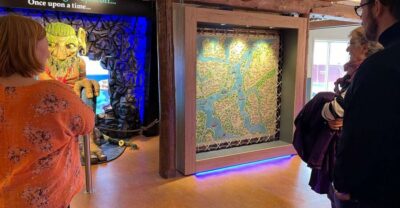
Troll Museum Entry Ticket with AR Media Experience
Read our review →

Aksla-Alnes-Giske-Sunnmøre museum 100 % Highlights 4.5 H
Read our review →Browse the lists this tour appears in