
Reviewed · MUSEUMS
Oslo: Paradox Museum Entry Ticket
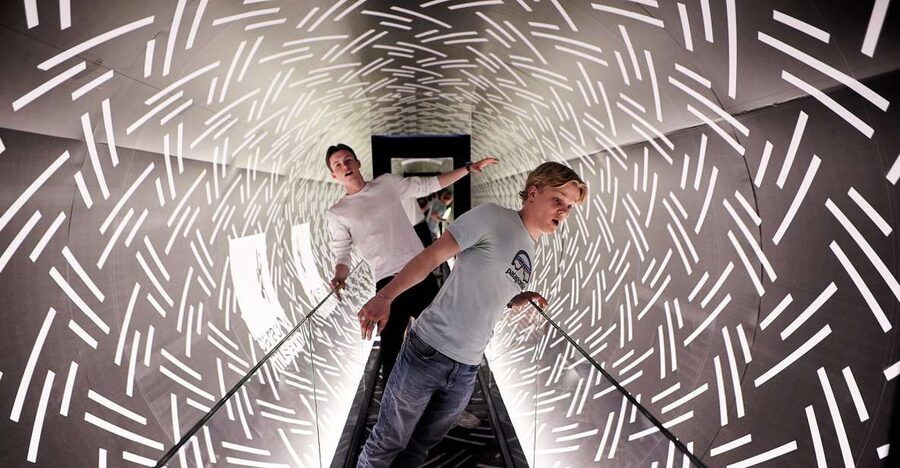
Oslo’s Paradox Museum is interesting because it turns you into the experiment. You walk through rooms built to mess with how your brain reads space, motion, and perspective, and the fun is in figuring out what just happened to your eyes.
I love how interactive the exhibits are, not just something you stare at. I also like that it’s built for photos, with designated picture spots so you can actually get a good shot instead of guessing.
One thing to consider is that support can be uneven from room to room. Staff are friendly and helpful, but you may not get someone stationed at every single photo setup.
Key things to know before you go
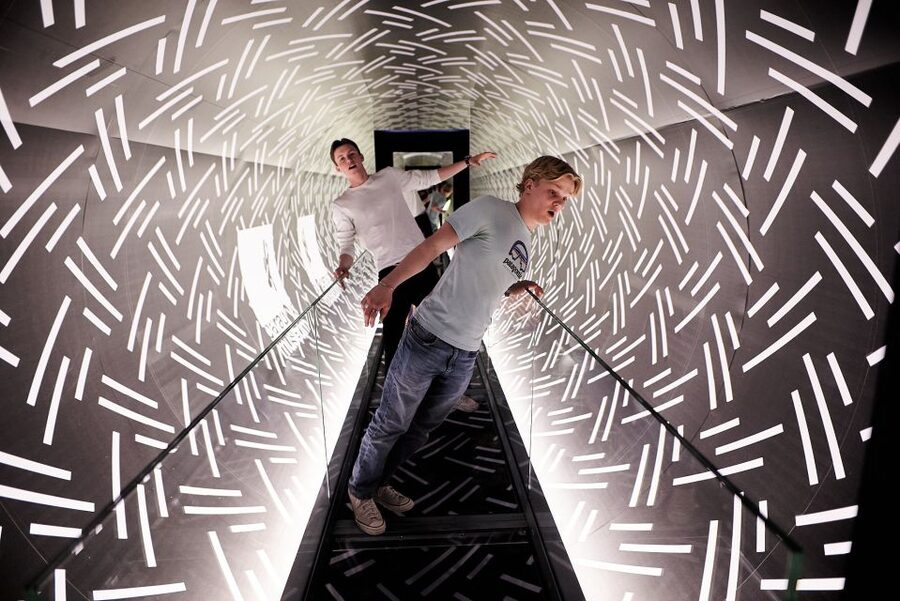
- More than 70 interactive exhibits that play with perception, physics, and perspective
- Photo points marked clearly so you can line up the angle fast
- QR codes that explain how the illusion works
- One-way flow with signs guiding you from room to room
- Staff help exists, including photo assistance in at least one area, but not everywhere
- Paradox Boutique is part of the visit, with games and souvenirs to take home
Paradox Museum Oslo in One Hour: Mind Games for Your Eyes
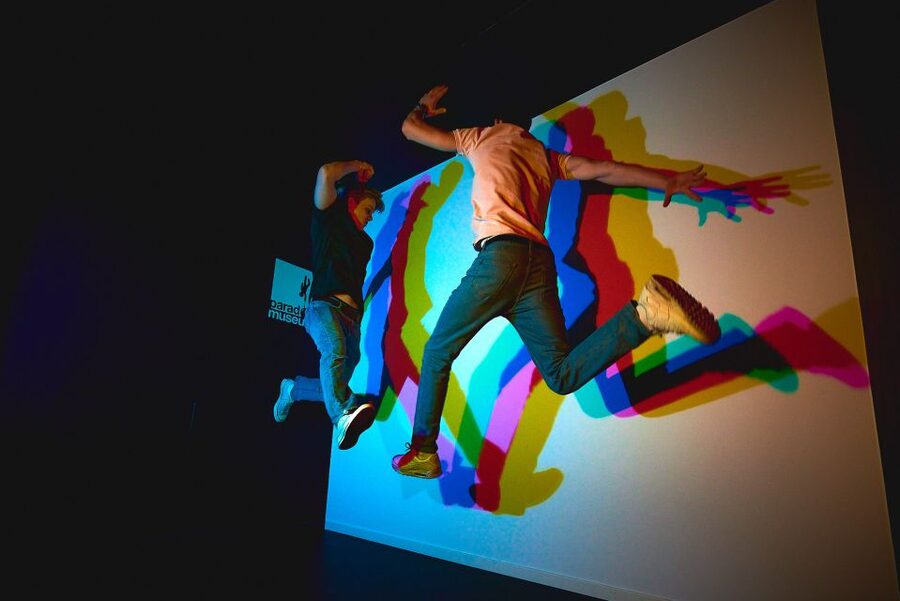
Paradox Museum Oslo is built like a theme park for your brain. The idea is simple: you step into an installation, your senses make a guess, and then the exhibit proves that your guess was totally optional. It is playful, fast-moving, and surprisingly educational in a low-pressure way.
The ticket time is about 1 hour, which is enough to get through everything if you keep things moving. If you are the type who redoes the same photo three times to get it just right, you might stretch it a bit, but the flow is designed to keep you moving forward.
You should also know what kind of “museum” this is. It is not quiet galleries and museum lectures. It is hands-on, eye-level, and often a little silly. In a city like Oslo, where you may also want to spend time outdoors or exploring neighborhoods, this is a good indoor stop that still feels like an experience, not a chore.
More Museums in Oslo
- Kon-Tiki Museum Entrance Ticket
★ 4.5 · 1,096 reviews - The Fram Museum Admission Ticket
★ 4.5 · 490 reviews - Oslo: Oslo Discovery Tour with 2 Museums Included
★ 4.7 · 376 reviews
Where It Is, How to Get There, and What to Expect on Arrival
This museum sits in central Oslo, close to public transit. The closest stops are Nationaltheatret and Stortinget, both only a couple of minutes away on foot.
When you arrive, you show your ticket at the entrance so the staff can check you in about 10 minutes before your booked time. Do not arrive late and assume you can squeeze in, because the visit runs as a timed session that you enter and then follow through.
The museum is wheelchair accessible. Inside, you’ll move through a one-way flow marked with signs. That matters because you do not have to hunt for the next room, but it also means you cannot freely wander backward to redo something later.
Finally, there are house rules. Food and drinks are not allowed inside, so plan on grabbing a snack after your one-hour visit if you need one.
Walking the One-Way Route: How to Keep the Fun Going Without Getting Lost
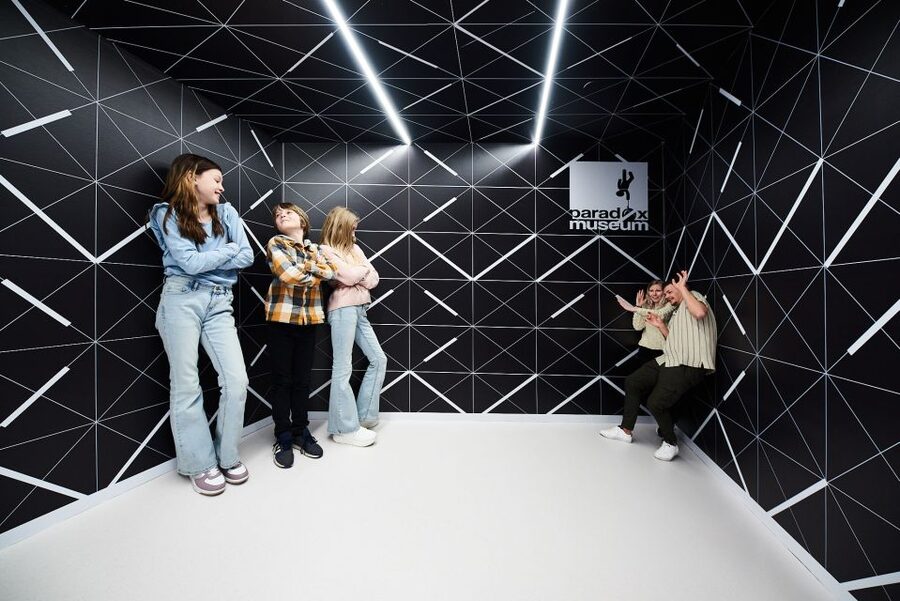
The layout is straightforward: you follow signs and keep moving from exhibit to exhibit. That “one-way” setup is a good design choice because it reduces traffic jams and keeps the museum from turning into a maze.
Here is how I would approach it if you want the smoothest experience:
- Start with a quick lap mindset. Early rooms are your warm-up. Treat them like calibration for your brain. You’ll get faster at spotting what an illusion is trying to trick you with.
- Slow down for the photo setups. If you see marked photo points, park yourself there for a moment and try the angle the way the exhibit wants you to try it. The best pictures come from following the prompt, not from improvising.
- Scan the QR codes as you go, not later. The QR explanations are there for a reason. If you wait until the end, you may forget what you just observed.
One practical note from how the museum operates: since it is one continuous path, the best use of time is to stay present. If you get stuck thinking too long about one effect, you can end up rushing through the last rooms.
Photo Points and QR Codes: Getting the Most From Each Illusion
This is one of those museums where “look with your eyes” turns into “think with your eyes.” Many exhibits use optical tricks that feel obvious once you see the mechanism, and confusing until then.
A big advantage here is that you are not left guessing. QR codes explain how each paradox works, which turns your photos into something more than just proof you were there. You’re learning the trick, not just enjoying the moment.
The museum is also very photo-friendly in a practical way. Instead of hoping you picked the correct angle, the exhibit includes clearly marked locations where the illusion is meant to land. That reduces frustration and helps solo travelers and couples get decent shots without asking strangers for help.
A small drawback: photo help from staff may not be available at every single setup. I found that many visitors do fine without extra help, but if you rely on someone to take your pictures, it helps to know that assistance may be concentrated in certain areas rather than stationed everywhere. Staff are professional and friendly, though, so if you need guidance, you can ask when you see them.
Different weather, different plan? Oslo also runs these:
- Oslo: Oslo Fjord Sightseeing Cruise by Sailing Ship
★ 4.5 · 5,790 reviews - Oslo: Scenic Fjord Cruise with Audio Guide Commentary
★ 4.5 · 5,375 reviews - Oslo Nature Walks: Island Hopping Tour
★ 4.8 · 2,713 reviews - Oslo: 24 or 48-Hour Hop-On Hop-Off Sightseeing Bus GrayLine
★ 4.0 · 2,088 reviews
Staff Energy, Real Expectations, and How Help Works in the Rooms
Staff presence is a major part of the experience quality. The good news is that the team is generally welcoming and engaged, and they help with how the museum works. People also describe staff as professional, and there are cases where staff step in to help with photos.
One standout detail is the mention of a staff member named Kseniia who was described as amazing. That kind of positive energy matters in this kind of attraction because the exhibits are physical and playful, and a great staff member makes the whole thing feel more like a guided experience even when you mostly walk on your own.
What you should plan for is a hybrid setup:
- You are largely self-guided by signs.
- Staff can answer questions and may help with photos in certain areas.
- You should not assume a helper is always next to every illusion.
If you are sensitive to that, you might want to keep your expectations realistic. The museum is still worth it because the exhibits do the heavy lifting. But if photo support is your top priority, build in a little time to try the angles yourself before asking for help.
Price in Oslo: Is a $29 Ticket Good Value?
At $29 per person for about 1 hour, this ticket price looks steep at first glance. Oslo is not a bargain city, and short attractions can feel expensive compared to full-day sights. Still, value is about what you get for the time you spend.
Here’s what you are paying for, in plain terms:
- A compact, timed experience that typically lasts around an hour
- More than 70 interactive exhibits, so you are not repeating the same idea over and over
- Photo-ready design, including marked photo points
- Explanations through QR codes that add understanding, not just spectacle
The main value risk is that not every exhibit will feel brand-new. Some effects can be similar to other optical illusion spaces you might have seen elsewhere, and a few setups may not hit the same level of wow for everyone. Also, at least some visitors note that information could be a bit stronger at the start, especially if you want a clearer guide for how to approach the first rooms.
My take: if you treat this as a fun indoor activity that adds learning and laughs, the price starts to make sense. If you expect it to feel like a large museum with deep rotating collections, you might feel disappointed. Think of it as a high-production interactive stop, not a long-form cultural institution.
Who Should Book Paradox Museum Oslo (and Who Might Skip It)
This place fits a wide range of travelers because it is visual, hands-on, and not dependent on language skills beyond basic signage. If you like playful challenges, it works.
It is especially good for:
- Families with kids. The exhibits are made for hands-on curiosity, and the time is short enough that younger visitors are less likely to lose interest.
- Couples who want something different than another viewpoint or café.
- Curious solo travelers who want a structured activity without needing a guide.
It may not be the best match if:
- You hate crowds and want long quiet time. This museum is designed as a flowing experience, but it is popular and can feel busy at certain times.
- You want constant staff guidance at every photo setup. Assistance exists, but it is not guaranteed at each station.
- You have a tight budget and dislike paying for short, ticketed indoor attractions.
If you’re visiting Oslo with a mix of outdoors time and city walks, this is a strong “one smart stop” choice. It’s also a fun way to break up bad weather without sacrificing the day.
Paradox Boutique: What to Do With Your Souvenir Urge
The ticket includes access to the Paradox Boutique, which is a nice add-on if you want a souvenir that actually matches what you just experienced. The shop is positioned as a place to bring the fun home, with games and keepsakes.
It is a small detail, but it matters. If you spend an hour being tricked by your senses, you usually want a way to keep playing with that idea later. The boutique gives you an easy path to do that without hunting around town for something similar.
Also, if you end up wanting to stay a bit longer than expected, browsing the shop can be a low-energy way to extend the experience without overcommitting.
My Booking Advice: Should You Book Paradox Museum Oslo?
I would book it if you want a compact, high-fun indoor stop with lots of photo moments and simple learning via QR explanations. The one-hour structure is perfect when you have limited time, and the marked photo points make it easy to get great results even if you are traveling solo.
I would think twice if you’re very budget-sensitive or you need a lot of expert guidance at every step. Since staff help can be concentrated and not every exhibit will feel equally mind-blowing, you’ll enjoy it most if you go in with the mindset of experimentation and play.
FAQ
How long is the Paradox Museum Oslo entry ticket?
The experience is listed as 1 hour. Check available starting times when you book.
Where do I check in for the museum?
You show your ticket at the entrance of the museum and can check in about 10 minutes before your booked time.
Is the museum a one-way route?
Yes. It is described as a one-way flow experience with signs that guide you to each exhibit.
Are food and drinks allowed inside?
No. Food and drinks are not allowed.
What public transportation is closest?
The closest public transportation stops are Nationaltheatret and Stortinget, both just a couple of minutes from the museum.
Is the museum wheelchair accessible, and what languages is support in?
It is wheelchair accessible. The host or greeter is listed as available in English and Norwegian.
Is free cancellation available?
Yes. Free cancellation is available if you cancel up to 24 hours in advance for a full refund.
Freshly reviewed in Oslo
- Oslo City Highlights with Fjord Cruise★ 4.5 · 128 reviews
- Oslo: Oslo Fjord Cruise with Live Jazz Music & Shrimp Buffet★ 4.4 · 143 reviews
- From Oslo: Oslomarka Forest Guided Snowshoeing Tour★ 4.8 · 161 reviews
- Oslo Fjord Evening Cruise with Shrimp Buffet on a Sailing Ship★ 4.0 · 170 reviews
- Oslofjord Sightseeing★ 4.0 · 170 reviews
- Oslo: City Highlights Walking Tour★ 4.8 · 197 reviews
- Oslo: Snowy Forest Torchlight Walk with Campfire★ 4.6 · 254 reviews
- Oslo: Private Walking Tour with a Local★ 4.5 · 263 reviews
Museums, compared.


Troll Museum Entry Ticket with AR Media Experience
Read our review →

Maihaugen Museum/The Norwegian Olympic Museum, Lillehammer.
Read our review →
Browse the lists this tour appears in