

Reviewed · MUSEUMS
Narvik: Narvik War Museum
Narvik War Museum is one of those places where local history hits global nerves fast. It focuses on the Battle of Narvik in April 1940, and it shows how the fighting in and around town turned into 62 intense days of naval action and mountain warfare. You do not need a military degree to follow it, just a willingness to pay attention.
I really like how much of the museum is built around real objects and well-made displays. The maquettes and collected pieces are presented in a way that makes the details feel concrete, not vague. I also love the built-in language help, including a QR code translation option at the entrance.
The only real drawback is the tone. This is a WWII museum that asks you to think about war, peace, and the value of human life, so it is not the kind of stop you make just to relax for an hour.
Key things that make this museum worth your time
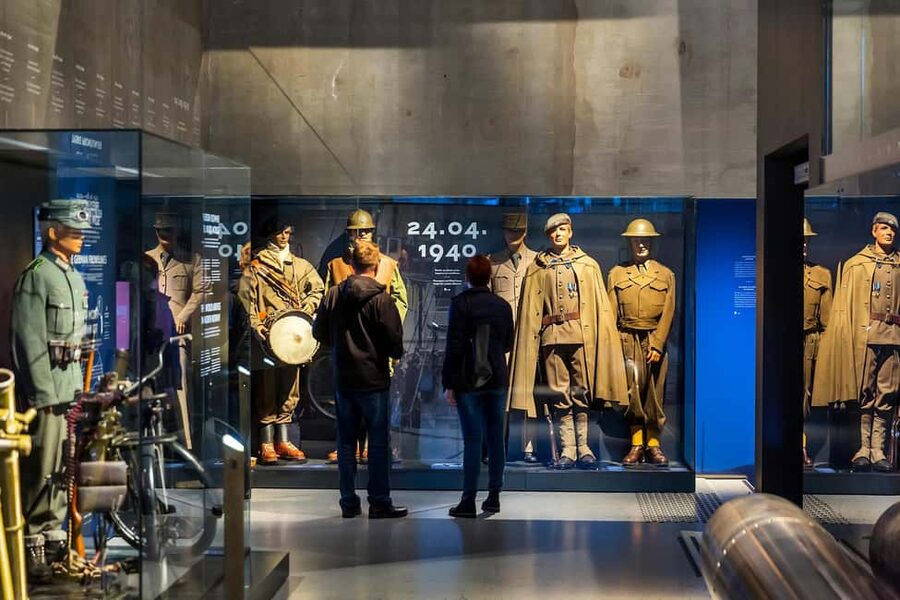
- A 1940 battle story told through both naval fighting and mountain war
- High-quality models and artifacts that make events feel tangible
- Interactive digital surfaces that connect then-and-now
- QR code translation at the entrance for easier comprehension
- A strong reflective angle on war, peace, and human life
- One focused visit window, about 1.5 to 2 hours for most people
Narvik War Museum in one visit: WWII that keeps its footing
If you only have a day in Narvik, this museum is a practical choice. It is designed to give you the key story of what happened when Nazi Germany attacked the region, and how that regional crisis connected to the wider war. The building blocks are simple, the pacing is clear, and the exhibits do not rush you.
I also appreciate the museum’s approach. It does not stop at describing what happened. It pushes you to ask who gets labeled as the enemy, how propaganda works, and why human lives matter even when politics tries to reduce people to targets. That is a heavy theme, but it is handled through the layout and the content, not through guilt trips.
With a rating around 4.8 out of 5 based on 21 ratings, it is clearly landing well with the people who go in expecting more than generic WWII facts. Plan on roughly 1.5 to 2 hours so you can read and absorb, not just skim.
More museums in Narvik:
- Kon-Tiki Museum Entrance Ticket
★ 4.5 · 1,096 reviews - Oslo: Paradox Museum Entry Ticket
★ 4.3 · 799 reviews - The Fram Museum Admission Ticket
★ 4.5 · 490 reviews
Setting the stage for April 1940, before the museum gets intense
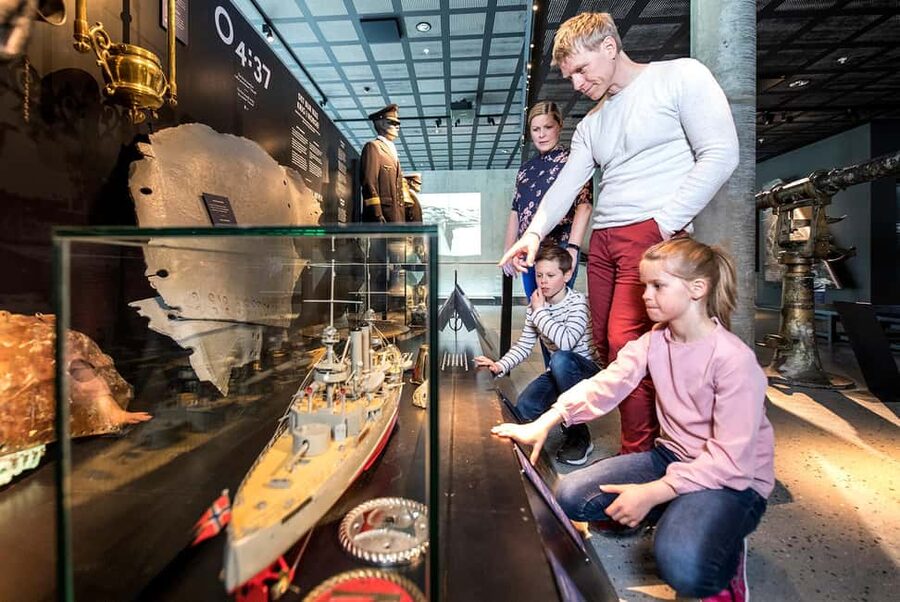
The museum is built around the Battle of Narvik in April 1940, and it helps you understand the specific “when” and “where” before the “what happened next.” You start with the regional situation and the way naval battles and conflict on land unfolded together. That matters because Narvik was not just one skirmish. It became a longer struggle that lasted 62 days.
What you will like here is the clarity. The exhibits connect the military timeline to the lived reality of the region, so it feels less like a textbook and more like a story you can place. The museum also uses texts, pictures, and physical displays so you can choose how you want to learn.
If you are the type who likes chronology, you will find the structure supportive. If you prefer meaning over dates, you can still follow along because the displays keep coming back to the cause-and-effect of the attack and the occupation, and what changed after the war ended.
Maquettes, artifacts, and interactive surfaces that make the battle understandable
This museum does not rely only on panels. It leans on artifacts and models to help you grasp scale and mechanics. The maquettes are especially useful because they translate complicated actions into something you can look at and understand, even if you are not familiar with naval terminology or mountain-warfare basics.
Then there are the interactive digital elements. These interactive digital surfaces help bridge the gap between past events and the way information is used now. It is not just “push a button, get a fact.” The goal is to show how WWII was experienced, explained, and later remembered, and how similar patterns show up in today’s world.
I like that the museum keeps giving you options. You can read slowly, scan for key points, or focus on the physical details. And the review you will hear again and again is about quality: visitors commonly point to the model work and collected pieces as being strong. That is rare in smaller war museums, and it makes a real difference for first-time visitors.
A practical note: if you want everything in your language, look for the QR code translation option right at the entrance. One verified visitor praised being able to translate the information, and that is a big deal when you are trying to keep your attention on the story instead of getting stuck.
The museum’s bigger job: from 1945 peace to today’s questions
Some WWII museums stop at aftermath. Narvik War Museum does not. It explicitly draws a line from the days of peace after 1945 into your own time. That is the museum’s more challenging layer, the part that can feel abstract until you see how it is presented.
You will notice themes that keep returning: how the occupation shaped daily life, how propaganda framed the idea of “us” and “the others,” and what it means to build peace when you have firsthand proof that war destroys people and communities. The museum also emphasizes the value of a human life, which is the kind of message that lands best when you have seen specific events and consequences first.
For me, that approach is where the museum becomes more than a local stop. It turns history into a tool for thinking. You start to recognize how easy it is for language to harden into stereotypes, and how quickly the idea of human worth can get twisted during conflict. That makes the museum relevant even if you already know some WWII basics.
The tone can be sobering, but it is also constructive. It is not only about anger. It is about understanding war well enough to support peace. If you like museums that ask questions instead of just handing you answers, this is a good fit.
Timing, price, and what your visit plan should look like
Price and value: The ticket is listed at $15 per person, and for a museum visit that lasts about 1.5 to 2 hours, that is fair. You are paying for more than signage. You are paying for quality objects, models, and interactive learning, plus the reflective structure that gives the visit meaning after you leave.
Hours to plan around: The museum is open daily from 10am to 4pm. During the summer season, from June 9 to August 24, 2025, it opens longer, from 10am to 6pm. In Norway in summer, those extra hours matter because it gives you flexibility if you are also doing fjord time or hiking.
A simple pacing idea: Go in with two goals. First, learn the basics of the 62-day conflict and how naval and mountain war connect. Second, spend a bit more time in the sections that link the past to today’s questions about peace and humanity. If you rush, you will still learn something, but you will miss the museum’s main point.
Language help: The museum provides translation support through a QR code at the entrance. One visitor also noted that the exhibits were available in English, which is a practical reassurance if English is your working language.
Getting around: The museum is wheelchair accessible. Staff can help with access or loan of a wheelchair, so if mobility is a question, it is worth asking ahead so you arrive with a clear plan.
Who should go, and who might want a different stop
This museum is a good match if you want WWII explained with a focus on a specific event that had real regional consequences. It is also ideal if you like museums that use models and interactive elements to make complex events understandable. The emphasis on war, peace, and the value of human life also fits travelers who want meaning, not just facts.
It may be less ideal if you are looking for a light, purely entertainment-style outing. The themes are heavy by design. If you want to keep your day upbeat and scenic, you can still go, but pair it with something calmer afterward.
For families, it welcomes guests of all ages. The interactive elements and the translation support help, but the subject matter is serious, so it helps if kids can handle that kind of context.
Should you book Narvik War Museum?
Yes, you should book it if you appreciate a focused museum visit that combines strong displays with thoughtful reflection. For $15 and a recommended 1.5 to 2 hours, it offers more than a quick overview of WWII. It gives you a clear story of the Battle of Narvik and then asks you to think about what war does to people and how peace gets built.
Skip it only if you are not in the mood for a somber, reflective WWII experience. Otherwise, it is a smart use of a day in Nordland County, especially if you want history that connects directly to today’s conversations about conflict and human worth.
FAQ
What is the Narvik War Museum focused on?
The museum is based on the Battle of Narvik in April 1940 and explains how the naval battles and mountain war unfolded over 62 days.
How much does a ticket cost?
The price is listed as $15 per person.
How long should I plan to spend there?
The recommended visit time is approximately 1.5 to 2 hours.
What are the opening hours?
Every day the museum is open 10am to 4pm. From June 9 to August 24, 2025, it is open 10am to 6pm.
Is the museum wheelchair accessible?
Yes. The museum is wheelchair accessible, and staff can help with access or loan of a wheelchair.
Is there language help for the exhibits?
There is an option to translate information using a QR code at the entrance, and English is available based on recent visit experience.
Freshly reviewed in Narvik
- Narvik: Snowshoeing under the Arctic Lights★ 4.3 · 13 reviews
- From Narvik: Roundtrip Arctic Train Ride on Ofoten Railway★ 4.4 · 407 reviews
- From Narvik: The Northern Lights Arctic Train Guided Tour★ 4.0 · 93 reviews
Museums, compared.

Troll Museum Entry Ticket with AR Media Experience
Read our review →

Maihaugen Museum/The Norwegian Olympic Museum, Lillehammer.
Read our review →Browse the lists this tour appears in