
Reviewed · MUSEUMS
Maihaugen Museum/The Norwegian Olympic Museum, Lillehammer.
Maihaugen in Lillehammer is interesting because you can walk through Norway’s everyday life across centuries, then switch gears into sports and postal history at the same site. I especially like the mix of open-air buildings and inside exhibitions so you are not stuck with only one kind of experience. The Norwegian Olympic Museum is also right there, so your day stops feeling like a single theme, even when you take your time.
One thing to consider is that the open-air portion depends heavily on the season. In colder months, you might find fewer houses open than you expected, and you may spend more time reading and looking through windows than stepping inside historic rooms.
Key things that make this day in Lillehammer worth your time
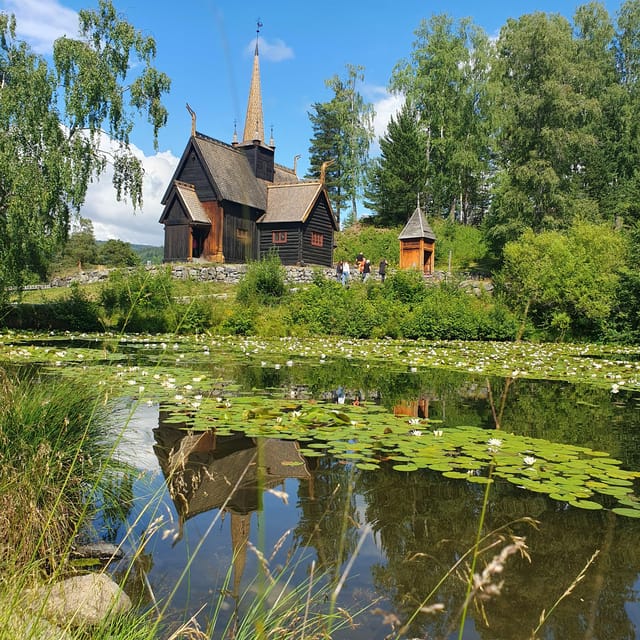
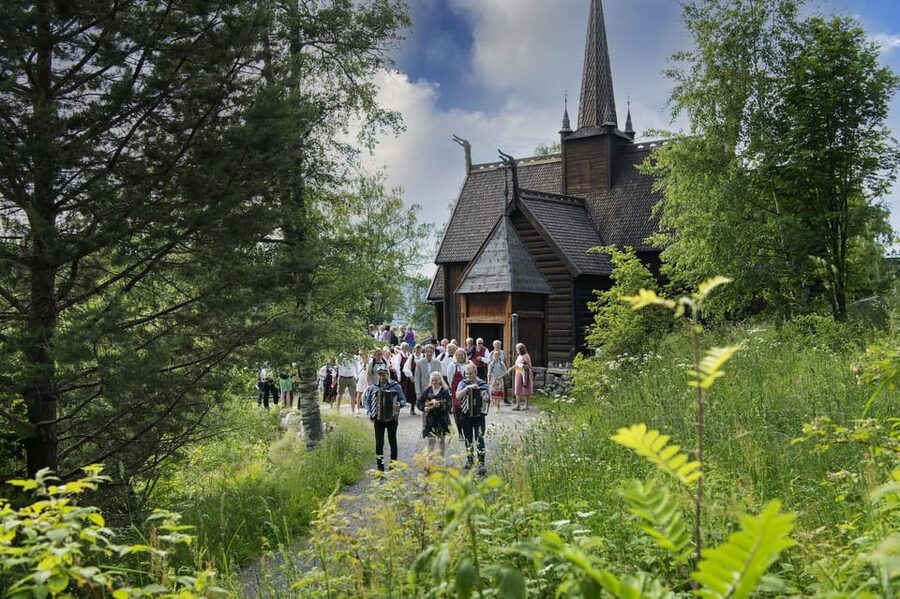
- Garmo stave church from the 1200s, one of the true anchor stops on the grounds
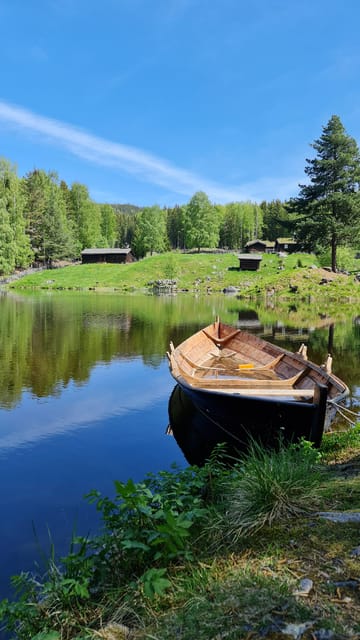
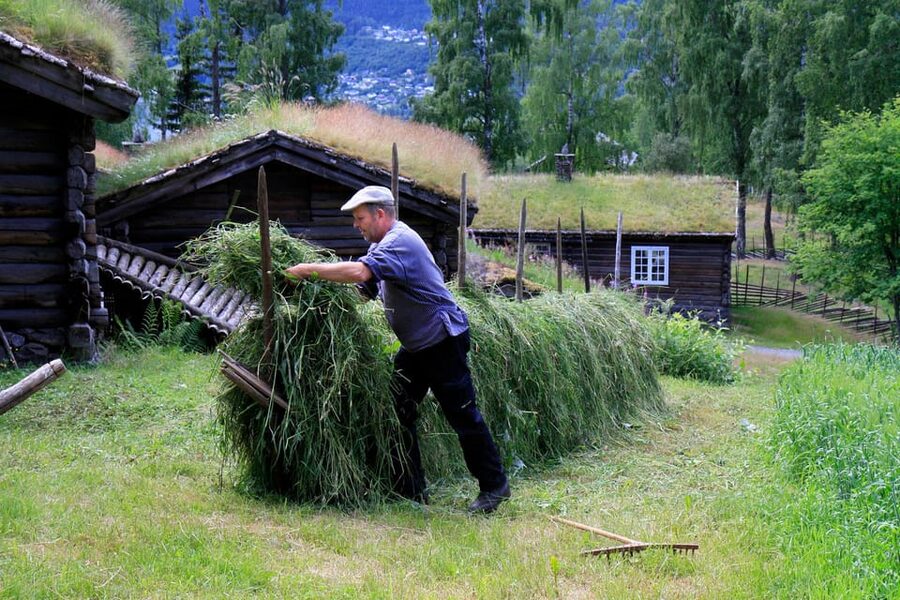
- Open-air farm life and houses spanning centuries, from older mountain farms to 1900s homes
- Indoor exhibitions that explain Norway’s development clearly, great when weather turns
- Olympic Museum focus on Oslo 1952 and Lillehammer 1994, plus interactive installs and films
- Summer-only access to the Norwegian Postal Museum, including an old train with a postal carriage
Maihaugen in Lillehammer: one site, many Norway stories in plain sight
Maihaugen, operated by Stiftelsen Lillehammer Museum, is Norway’s largest open-air museum, with more than 200 buildings from different periods. That is the basic pitch, but the real value is the pacing. You get to move between eras at a walking speed that feels natural, then you can duck into indoor rooms when you want more explanation.
The site also holds the Norwegian Olympic Museum, which gives you a second layer of meaning. Instead of only asking how people lived, you start asking how Norway competed, trained, and celebrated major moments. And in summer, the Norwegian Postal Museum adds yet another angle, turning everyday logistics into something you can actually see.
This is a strong day for travelers who want “time travel,” but not in a cheesy way. If you like structure, you will find it. If you prefer wandering, you can still make it work, as long as you plan for seasonal variation in what is open outside.
A realistic 1-day plan (so you do not rush or miss the good stuff)
You have a 1-day ticket, with starting times depending on availability, and the whole experience is essentially self-guided across multiple museums. I recommend building your day around three zones: open-air museum, indoor exhibitions, then the Olympic Museum. In summer, add the Postal Museum in the same loop.
Here is a practical flow that works for most people:
1) Start at the Visitor Center. Go in where the counter and hosts are, then confirm any open-air building hours for the day.
2) Do the indoor exhibitions early if you are visiting in cooler or changeable weather. The indoor side tends to answer the big questions fast, and it sets context before you start walking through the older buildings.
3) Walk the open-air routes in the middle of your visit. Pick the stops that matter most to you, like the stave church and the older farms, then fill in the rest as your energy allows.
4) Finish with the Olympic Museum. It is modern, interactive, and film-based, which makes a good closer when you are still curious but ready for something different.
5) In summer, add the Postal Museum if it is operating on your date, usually after you have your bearings.
If you take longer breaks, you can still do it in one day. But if you want to go inside many buildings, you will need to start early and be selective, especially outside of peak summer.
Begin at the Visitor Center, then set your priorities
Meeting point is simple: go into the Visitor Center where the counter and the hosts are. That is where you can get your bearings and figure out what is open that day. It also matters because open-air museums can shift based on season.
I like using the Visitor Center as your reset button. Before you get side-tracked, you decide what your “must sees” are. Most people end up with three anyway: Garmo stave church, a representative set of farms and homes, and the Olympic Museum.
Also, if you need English support, the host or greeter is listed as English. On some days, you may still end up relying more on signs and your own reading, so treat staff as helpful for orientation, not as a guarantee of a full guided tour inside every single building.
Garmo stave church from the 1200s: the stop you will remember
If you only remember one highlight from Maihaugen, make it the Garmo stave church from the 1200s. Stave churches have a certain wow factor because they look built to last, but what makes this one special is the setting. You are not looking at it behind glass. You are in an environment that feels like it was arranged to show how ordinary rural communities shaped their architecture.
In practice, this is one of those stops where it helps to slow down. Notice the structure and the details that set stave churches apart from later building styles you will see elsewhere on the grounds. Then connect it back to what you just saw indoors, where the museum helps explain how Norway’s culture developed over time.
If you are visiting in winter or outside peak season, do not panic if interior access feels limited. Treat the church as a high-priority check-in stop early in your visit, because the open-air portion can vary.
Farms and houses across centuries: how everyday life changes
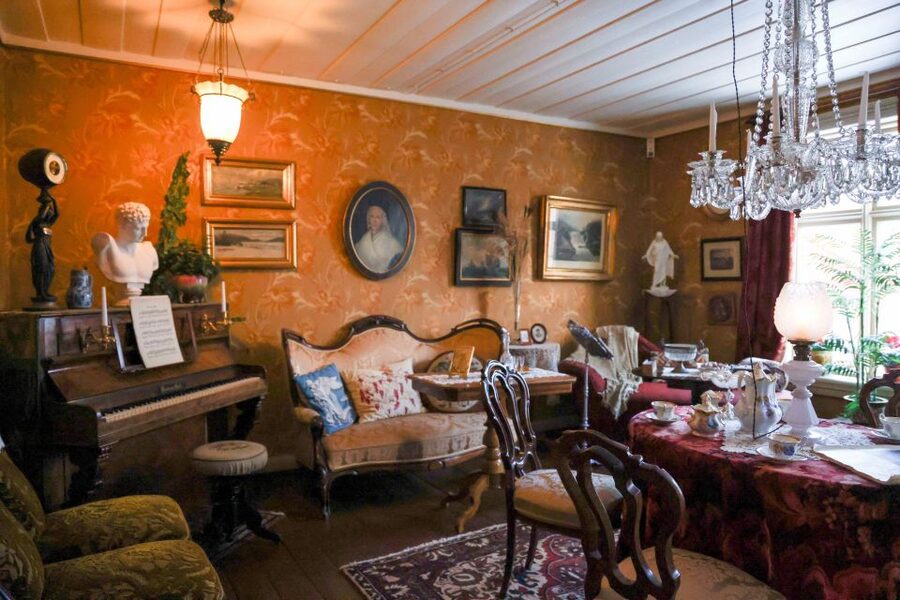
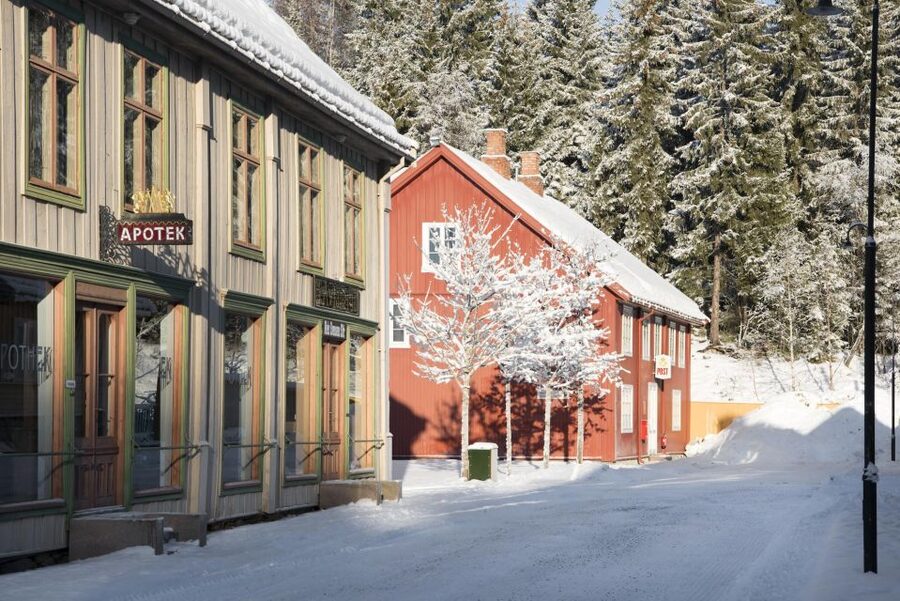
One of Maihaugen’s main strengths is the way it groups physical spaces by time period. You get older farm settings from roughly the 16th to 17th and 18th centuries, plus houses that represent later styles, including buildings from the 1900s.
What this means for you is that you can build a mental timeline without needing a guide to narrate every minute. Start with the older farm structures to understand the practical mountain farm context, then move forward to later homes to see what changes when society becomes more modern.
A practical tip: wear shoes you can trust. You can cover a lot of ground in a day, especially if you keep hopping between outdoor buildings and indoor exhibits. And if you want to avoid the “endless visiting” feeling, pick a few buildings from each era rather than trying to do everything the moment you arrive.
Indoor exhibitions: the part that makes the rainy day work
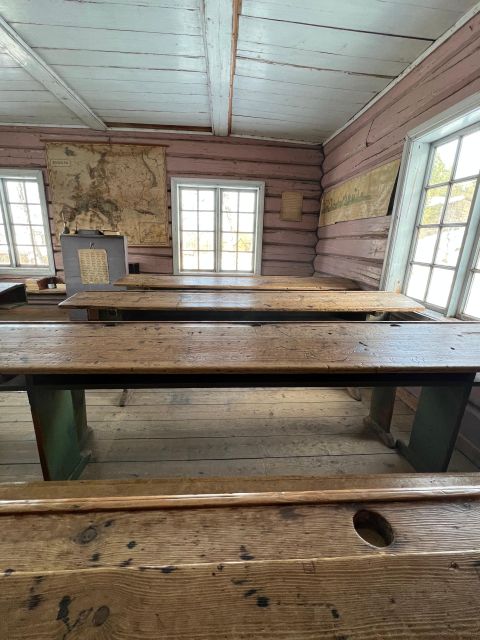
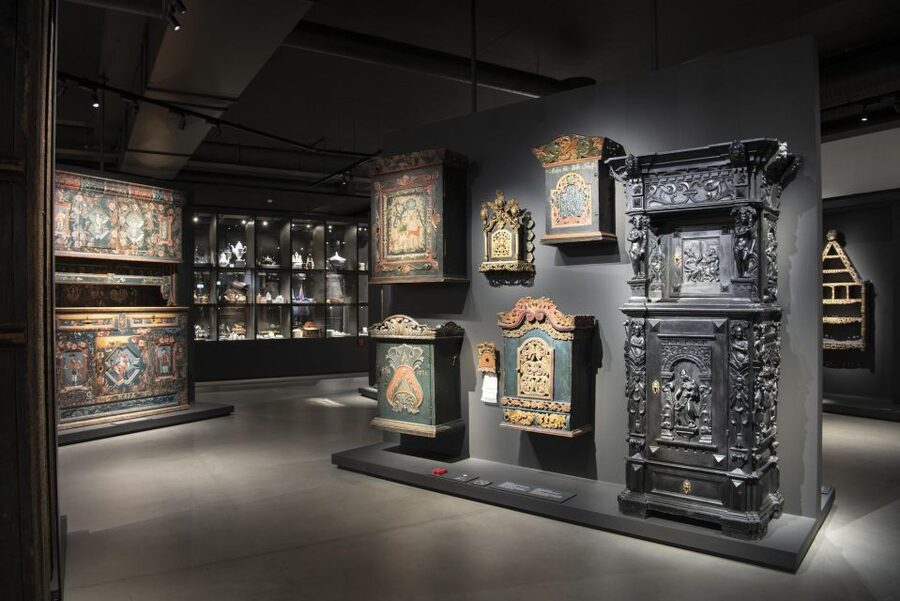
The open-air museum is the headline, but the indoor exhibitions are what help the whole day click. Based on what I would call the strongest pattern of satisfaction, the indoor side is where the museum tends to be most clearly organized and easiest to follow.
If you want to understand Norway’s development without guessing, this is the place to do it. Indoors, you can see the big storyline and how different parts connect. It also helps when the weather makes outdoor time less comfortable.
Two exhibition names you should look for on your way through are Impulses and We won the land. Those titles matter because they signal that the museum is not just showing old stuff. It is also framing ideas and outcomes, so you come out with more than just photos of buildings.
If you only have one day, I would rather you spend your limited energy wisely on the indoor context, then let the open-air walk be your reward.
The Norwegian Olympic Museum: sports history with real objects and films
After the older buildings, the Olympic Museum can feel like a clean switch. That is a good thing. The Norwegian Olympic Museum covers Olympic history from ancient times to the present day, but it places special focus on Norway’s two major Olympic moments in Oslo 1952 and Lillehammer 1994.
What you will likely enjoy here is the combination of original objects and presentation style. The museum uses interactive installations and spectacular films to bring the most important Olympic moments to life. Even if you are not a sports superfan, the focus on Norway’s own achievements gives you a personal reason to care.
Another plus is that the Olympic Museum helps you understand how a place becomes famous for hosting and producing talent. You leave thinking less about abstract achievement and more about people, training, and national pride.
Norwegian Postal Museum in summer: the old train plus everyday history
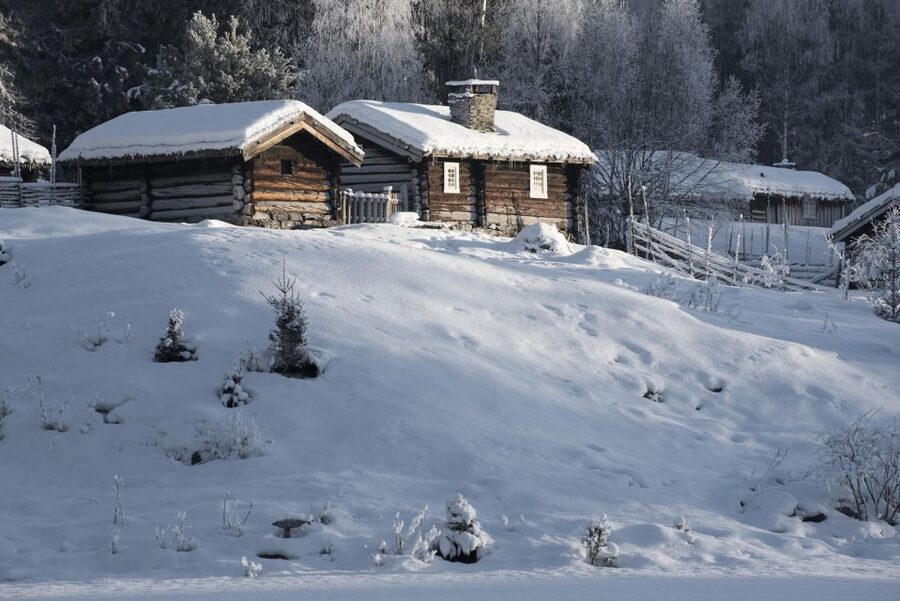
In summer, your ticket includes the Norwegian Postal Museum. This museum has been preserving and sharing Norwegian postal history since 1947, and it is built around tangible displays, including an old train with a postal carriage.
I find postal history oddly satisfying because it is practical history. You get to see how communication moved, how systems worked, and how a country built connections over distance. That can complement Maihaugen well, because the open-air side shows homes and farms, while the postal museum shows the networks that linked them.
If you are not traveling in summer, you cannot count on this part being included. It is explicitly noted as summer only, so check your travel dates and expectations.
Cafeteria, museum shop, and pacing your energy
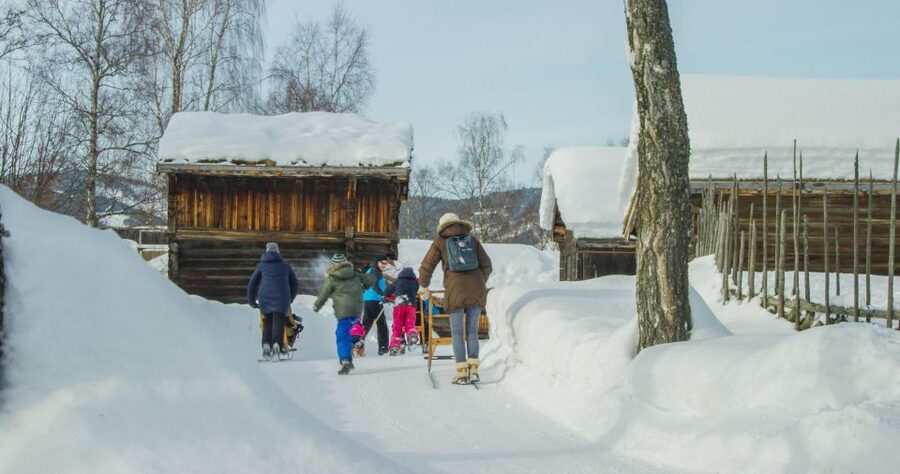
Maihaugen has a cafeteria in the main building that is open year-round. During summer, there are additional places to eat around the open-air area. For a one-day plan, that matters because you can rest without turning your visit into a logistics puzzle.
I also like the museum shop as a finish. You can pick up quality design products rather than only generic tourist souvenirs. If you are the type who likes bringing something home that feels connected to the place, this is a good way to cap the visit.
For pacing, build in a mid-afternoon pause. Open-air museums can tire your legs faster than you expect, and the indoor Olympic sections feel better when you are not completely drained.
Price and value: is $19 per person a good deal?
At about $19 per person, this is a reasonable value for a one-day outing because you are not paying only for the open-air museum. Your ticket also includes indoor exhibitions and the Olympic Museum, and in summer it also includes the Postal Museum.
The math is the key. You are effectively buying access to multiple themed spaces that would each cost time and money to visit separately in other parts of Norway. Even if you do not go into every building outside, you still have enough indoor material and the Olympic Museum to justify the ticket.
My biggest value check is this: if you like museums that explain context, you will feel the “worth it” quickly, especially because the indoor exhibitions tend to be the easiest to enjoy when conditions are less ideal. If you came only for outdoor buildings and you are visiting in a shoulder season, you may need to adjust expectations.
Who this fits best (and who should set expectations)
This is a great match if you want a full day that mixes culture, place-based history, and modern storytelling. It is also a solid option for families, since the museum is designed to be readable and walkable, and it includes activities during the summer season.
You will likely enjoy it most if you:
- like architecture and historical settings
- want a Norway introduction that is more than a quick photo stop
- enjoy sports history at least enough to connect it to Norway’s identity
- are traveling on a tight schedule and need one location to cover multiple themes
If you visit in winter, plan for fewer open-air buildings and lean more on the indoor exhibitions. That way, your day stays satisfying rather than disappointing.
Should you book this Maihaugen, Olympic Museum day?
Book it if you want one ticket that gives you Norway’s past and Norway’s sporting achievements in the same day. The site is built for self-guided wandering, but the indoor exhibitions help you keep your understanding straight, which is exactly what you want when you have limited time.
Skip or reconsider if you are expecting a full outdoor museum experience in the off-season. In colder months, the open-air part may not feel complete, and you might spend more time outside looking at buildings than stepping into them. If your dates are flexible and you can choose summer, you get the most complete package, including the Postal Museum.
If you decide to go, do not try to conquer everything. Choose your must sees, use the Visitor Center to confirm what is open, then let the rest of the day be pleasantly imperfect.
FAQ
Where is Maihaugen and the Norwegian Olympic Museum?
They are located in Lillehammer, in Innlandet County, Norway.
How long does this experience take?
It is listed as a 1-day experience.
What is the price?
The price is listed as $19 per person.
What is included in the ticket?
The ticket includes entrance to the Maihaugen open-air museum, indoor exhibitions, and outdoor exhibitions (which can vary by season). It also includes entrance to the Norwegian Olympic Museum. In summer, it includes entrance to the Norwegian Postal Museum.
Is the Norwegian Postal Museum included all year?
No, the Norwegian Postal Museum is included only in summer.
What should I bring or plan for during my visit?
Transportation to and from the museum is not included, and food and beverages are not included in the ticket. The site does have a cafeteria.
Where is the meeting point?
Go into the Visitor Center, where the counter and the hosts are.
Is there an English-speaking host or greeter?
Yes, the host or greeter is listed as English.
Is it wheelchair accessible?
Yes, it is listed as wheelchair accessible.
More Museums in Lillehammer
- Kon-Tiki Museum Entrance Ticket
★ 4.5 · 1,096 reviews - Oslo: Paradox Museum Entry Ticket
★ 4.3 · 799 reviews - The Fram Museum Admission Ticket
★ 4.5 · 490 reviews - Oslo: Oslo Discovery Tour with 2 Museums Included
★ 4.7 · 376 reviews
Museums, compared.

Troll Museum Entry Ticket with AR Media Experience
Read our review →
Browse the lists this tour appears in