
Reviewed · HISTORICAL TOURS
A Well Balanced History and Food Tour with Focus on the Scandinavian Kitchen
Oslo is a great city for a food tour because the flavors come from the same places you can see in person, coast, fjords, and mountains. I like that this tour mixes Norwegian history with real food stops, not just random snack breaks. I also like how the route hits major landmarks like the National Opera, Aker Brygge, Oslo City Hall, and Akershus Castle, so you get context while you eat. The one thing to watch is that the tour price covers the guide, while food tastings are extra and can be limited on Sundays or during weekday evenings.
This is a focused 3 hour walk in central Oslo, with a small group size (maximum 12) and English commentary. Pickup may be offered, and you start and end near the Oslo Municipality. Wear comfortable shoes, because one group noted they walked at least about 4 miles total, depending on the day and pacing.
Key things to know before you go
- Norwegian history, told while you snack at the same places you’d pass on your own, but with the why explained.
- Landmarks plus local food stops, including a chocolate shop, a gourmet supermarket, a canteen, and a traditional pub.
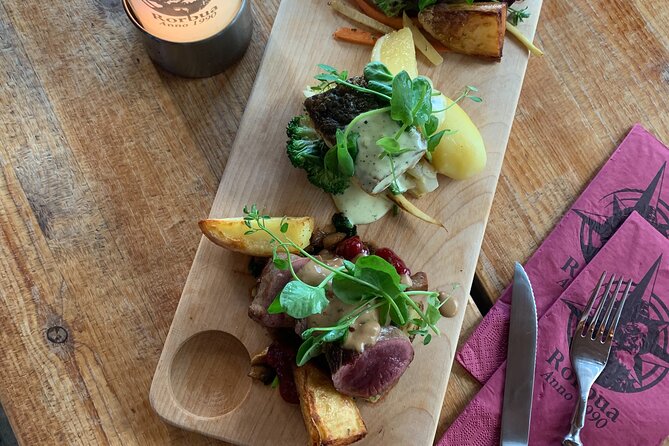
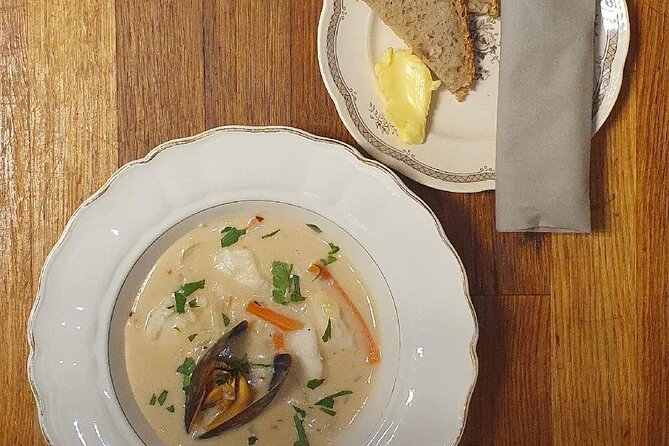
- Typical tastes like salmon and fish soup (fish soup is seasonal) plus meat and local beer.
- Food tastings are not fully included, so your wallet planning matters as much as your appetite.
- Guide quality can make or break the experience, and some departures have shown real extra care with pacing and comfort breaks.
Oslo’s landmarks plus Scandinavian flavors make sense
This tour works because Oslo’s food culture is not separate from the city. Norway’s traditional cuisine is built around what the country produces: salmon, other seafood, preserved fish, meat, and hearty comfort foods that suit cold weather and long winters. When your guide talks history at places like Oslo City Hall or Akershus Fortress, it helps you understand how a coastal trading nation ended up with a food culture that values fish, dairy, and simple, high-quality ingredients.
The route also helps you see the big contrasts in one go. You start in the modern cultural spotlight at the National Opera & Ballet, then slide toward the waterfront energy at Aker Brygge. From there you move into civic Oslo, and finally you finish at a medieval fortress that gives you a strong sense of how old the city’s power center really is. You are not just tasting, you are getting bearings, fast.
More Food & Drink in Oslo
- Oslo Grünerløkka Food & Culture Walking Tour
★ 4.5 · 230 reviews - Oslo: Grünerløkka Food & Culture Walking Tour
★ 4.5 · 204 reviews - Oslo: Norwegian Food Tour & Hidden Gems City Walk
★ 4.8 · 165 reviews
Price and value: the guide is included, tastings are extra
The headline price is $348.18 per group (up to 10), lasting about 3 hours. That can sound steep until you look at what you are actually paying for. You are paying for a professional local guide and a structured walk that strings together history, neighborhood context, and multiple food venues.
The trade-off is clear: the price does not include tastings. Food and drinks are paid by you unless your guide specifies certain value-added offers as part of the experience. Even the sample menu suggestion gives you a feel for budgeting. The recommended starter, a salmon trilogy example, is listed at 210 NOK per person. That’s not the whole meal, but it is a realistic “this is what you might want to order” datapoint.
So what is good value here? If you want a guided route plus the confidence of knowing what to try, this can be worth it. If you mostly want to eat as much as possible for one set price, you may feel underfed unless you plan extra spending.
The timing trap that affects tastings
Food tastings are limited on Sundays and during weekdays after 6 PM. That matters because part of the tour’s payoff is the tasting portion. If you book for late afternoon or Sunday, you should expect fewer bites and more browsing.
How the 3 hour walk really feels in central Oslo
You meet at Oslo Municipality and the tour ends back there. Pickup may be available, which is handy in a city where many attractions cluster in the center. The group is kept small, with a maximum of 12 travelers, so the guide can actually manage pace and questions, not just shepherd a crowd.
Plan for city walking. One negative experience mentioned at least about 4 miles on foot, which tells you this is not a short stroll where you barely move. In practice, you should dress for movement. Bring water. If you need breaks, it helps to tell your guide early.
More Historical Tours in Oslo
- Oslo: Historic Myths & Legends Evening Walking Tour
★ 4.8 · 408 reviews - Oslo: Small Group History, Art & Secrets Tour
★ 4.6 · 127 reviews - Oslo City Walks – Historic River Walk
★ 5.0 · 31 reviews
English and guide flexibility
The tour is offered in English, and it may be operated by a multi-lingual guide. That is useful because Norway’s food scene can be detail-heavy, and a guide who can explain both history and what you are eating will make the stops click.
Stop 1: Oslo National Opera & Ballet to set the tone
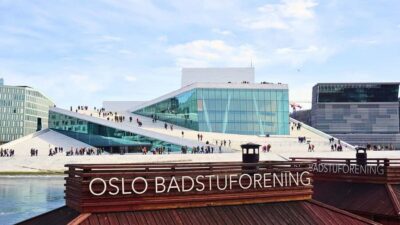
The tour starts at the Oslo National Opera & Ballet. Even if you have never been to this building, it is a strong visual anchor for the city. Think of it as the “modern Oslo” kickoff, where the guide can frame how Norway’s public life, culture, and identity evolved into what you see today.
Why that matters for a food tour: you get cultural context before you start eating. You can listen for the through-line your guide will likely use, how Norway’s coast and resources shaped daily life, and how today’s dining still reflects older patterns of preserving, curing, and choosing fish and dairy.
Practical note: this is a good first photo stop, but it is also early. If you are sensitive to crowds or weather, treat it as your moment to settle in and confirm how the walk will flow.
Stop 2: Aker Brygge, waterfront views with seafood logic
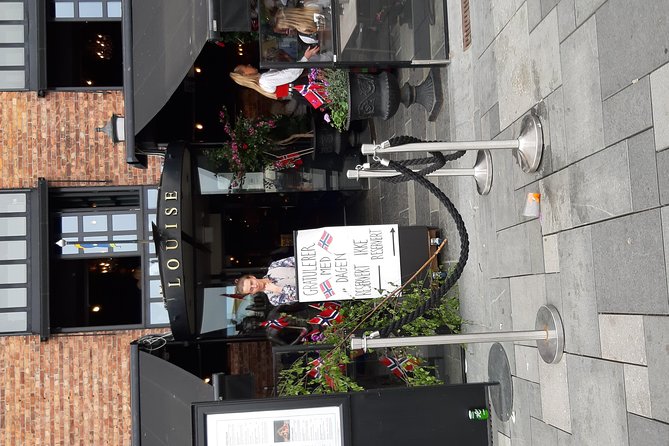
Next up is Aker Brygge. This is one of the most recognizable waterfront areas in Oslo, and it is a natural bridge from sightseeing into food culture. Your guide can connect the setting to what Norway does best: seafood prepared in ways that travel from coast to plate.
Aker Brygge is also where you will start to feel the tour’s “local energy.” You are not tucked into a hidden alley. You are in an area locals actually move through, which makes the later food stops feel more grounded. Instead of pretending the food scene exists in a vacuum, you are seeing the city ecosystem around it.
Possible drawback: because it is a popular spot, you may feel a bit of foot-traffic pressure. If you are traveling with someone who needs slow pacing, communicate that early so the guide can handle it before the group gets spread out.
Stop 3: Oslo City Hall for civic history you can taste later
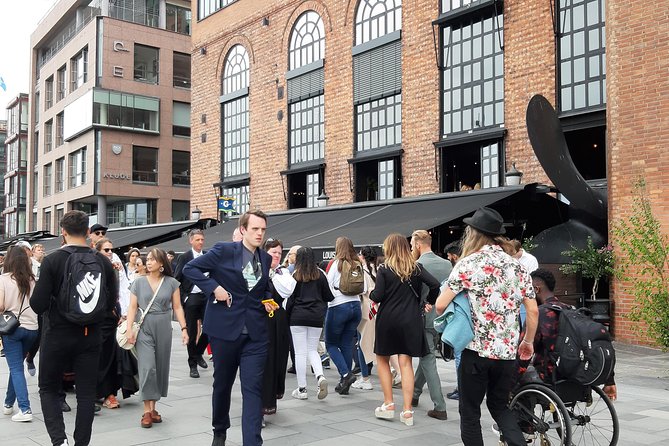
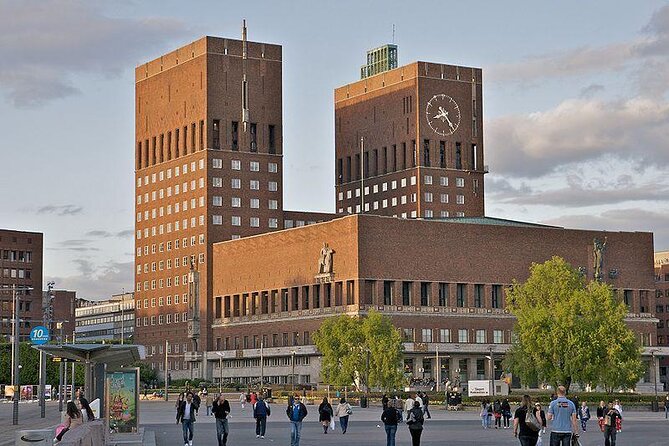
Then the route moves to Oslo City Hall. This stop adds a different flavor of history, the way government, public buildings, and national identity show up in the city center. It also works as a mental reset between waterfront and fortress.
For a Scandinavian kitchen tour, the value here is less about food facts tied to one exact wall, and more about pattern recognition. When your guide points out what Oslo chose to build and protect, you start understanding how a modern capital with maritime roots still keeps tradition close. That makes the later tastings land better, especially when you try dishes built around salmon, cured fish, and simple comfort ingredients.
Quick practical tip: expect some stop-and-listen time. If you snack too early, you might be distracted. If you snack too late, you might be ravenous. You want to hit the first tasting hungry but not frantic.
Stop 4: Akershus Castle and Fortress for the old Oslo payoff
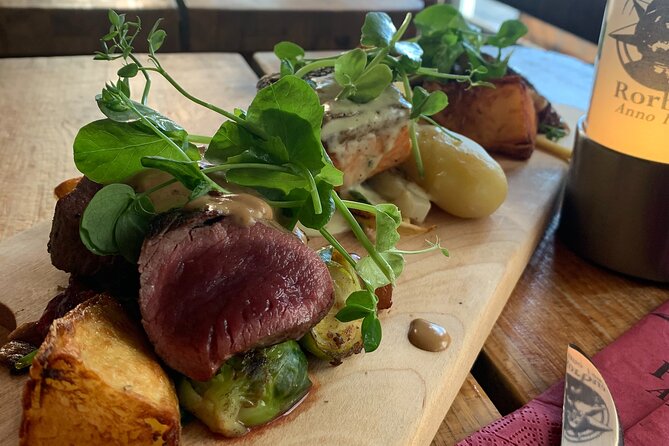
Finishing at Akershus Castle and Fortress is a strong close. It is explicitly a medieval fortress stop, and it gives you a dramatic sense of how long this city has been shaped by power, defense, and trade routes. That long timeline is a good match for Norwegian food culture, which has deep roots in preservation and seasonality.
This is where your guide’s commentary matters most if you like connections. Norway’s climate and geography influenced what was practical to store and cook. Once you are standing in a place designed for survival, the logic behind hearty fish and preserved foods makes more sense.
Practical note: fortress areas can mean uneven ground. Wear shoes with grip. Even if the tour is well managed, you might not stay on perfectly flat sidewalks.
What you’ll taste: salmon, fish soup, meat, local beer, and more
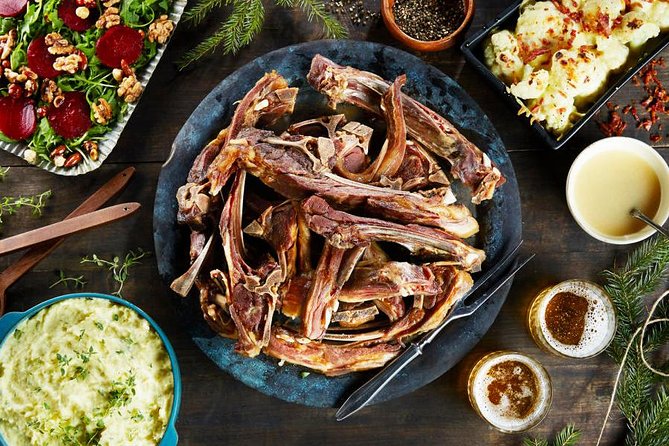
The tasting focus is clearly traditional Norwegian food, based on local raw materials. The tour description specifically points to salmon, fish soup (seasonal), meat, and local beer, plus more that varies by venue and day.
You will likely hit several types of places, not one single restaurant. The tour description says you may visit:
- a famous chocolate shop
- a gourmet supermarket
- a canteen
- a traditional pub
That mix is a real plus if you want to learn how Norwegian food shows up across everyday life, not just in sit-down dining rooms.
Salmon is the star, and you can plan for it
Salmon is the anchor. One sample menu suggestion recommends a salmon trilogy starter and lists it at 210 NOK per person. That tells you what the tour wants you to understand: salmon can be prepared in multiple ways, so you can taste texture and seasoning shifts, not just “fish flavor.”
If you like variety, the salmon trilogy idea is a smart order to consider during the tasting portion. If you do not eat certain fish, tell your guide in advance so they can steer you toward dishes that fit.
Seasonal fish soup and Sunday limits
Fish soup is seasonal, and tastings are limited on Sundays and on weekdays after 6 PM. Translation: if you book at a low-tasting time, you may not get as much food variety as you hope.
Also, one disappointing experience included only a small handful of tastings like smoked salmon pieces and a cold cuts plate at a fish-market type store. The takeaway is not that the tour is bad. The takeaway is that you must budget for food on top of the tour price, and you should expect smaller samples, especially on constrained days.
You will likely not leave full
Multiple people have mentioned feeling satisfied but not stuffed. That makes sense, because this is a walking tasting tour, not an all-you-can-eat meal. If you want a full dinner experience, plan a real meal after the tour. Think of the tasting portion as your orientation meal, the one that teaches you what to order later.
The guide makes the difference, so watch for communication style
A standout name that popped up is Tanya-Lisa. In at least one celebrated experience, she was described as highly attentive, patient with decision-making, and careful about pacing for people who needed to stop and rest. That is exactly the kind of professionalism that matters on a walking tour with food stops. If your guide manages comfort and flow well, you taste more, enjoy more, and miss fewer details.
There are also caution flags from other experiences. One group reported a lot of messages changing time and meeting place, and another mentioned feeling the guide repeated themselves and gave wrong information. Those sound like booking-day communication issues and day-of expectations problems, not a problem with Oslo itself.
How to protect yourself on the day
To get the best experience with any guide, do these basics:
- confirm your meeting point and timing in advance
- keep an eye on any last-minute messages
- tell the guide early about walking pace or rest needs
That way, even if the day is busy or weather changes, you are not stuck waiting or rushing.
When this tour is a great fit, and when it is not
This is a good match if you:
- want history plus food, not just one or the other
- like seafood and want a structured way to taste Norwegian staples like salmon and fish soup
- enjoy local spots you might skip if you are only following major sights
- like downtown walking routes that connect multiple neighborhoods
It may be a weak match if you:
- want all tastings included in the upfront price
- book on a Sunday or late weekday evening and expect a full tasting lineup
- are extremely price-sensitive about food add-ons
If you are the kind of traveler who wants to try a lot and eat a proper meal, you can still book, just treat it as a guided tasting and sightseeing opener, then eat a bigger dinner afterward.
Should you book this Oslo Scandinavian kitchen tour?
Book it if you want a guided, bite-based introduction to Norwegian flavors while you see the core sights of Oslo. The combination of Opera-area start, waterfront time at Aker Brygge, civic history at City Hall, and the fortress finish makes it feel efficient, and the food stops can show you how Norwegian eating habits play out in different kinds of places, from supermarket to pub.
Skip or reconsider if your main priority is a big, included feast at one fixed price. The tastings cost extra, and the tour explicitly limits food on Sundays and late weekday evenings. If you do book, plan your budget for tastings, and plan a real meal after so you leave happy, not just curious.
FAQ
What is the duration of the Oslo tour?
It runs about 3 hours.
How much does the tour cost?
The price is $348.18 per group (up to 10).
Are food tastings included in the tour price?
No. Food and drinks are paid by the visitors, unless your guide specifies certain value-added offers in the moment.
Is pickup offered?
Pickup offered is listed as a feature. You should confirm the pickup details when booking.
Is the tour in English?
Yes, it is offered in English.
When are tastings limited?
Food tastings are limited on Sundays and during weekdays after 6 PM.
Can I cancel for a full refund?
Yes. You can cancel up to 24 hours in advance for a full refund. Less than 24 hours before start means no refund.
Freshly reviewed in Oslo
- Oslo City Highlights with Fjord Cruise★ 4.5 · 128 reviews
- Oslo: Oslo Fjord Cruise with Live Jazz Music & Shrimp Buffet★ 4.4 · 143 reviews
- From Oslo: Oslomarka Forest Guided Snowshoeing Tour★ 4.8 · 161 reviews
- Oslo Fjord Evening Cruise with Shrimp Buffet on a Sailing Ship★ 4.0 · 170 reviews
- Oslofjord Sightseeing★ 4.0 · 170 reviews
- Oslo: City Highlights Walking Tour★ 4.8 · 197 reviews
- Oslo: Snowy Forest Torchlight Walk with Campfire★ 4.6 · 254 reviews
- Oslo: Private Walking Tour with a Local★ 4.5 · 263 reviews
Historical Tours, compared.

Reindeer Camp and Sami Cultural Tour with Lunch
Read our review →
Sámi Reindeer Sledding and Sami Cultural Tour
Read our review →




Browse the lists this tour appears in