
Reviewed · FJORD CRUISES
Oslo: Fjord Mini Cruise by Wooden Sailing Ship
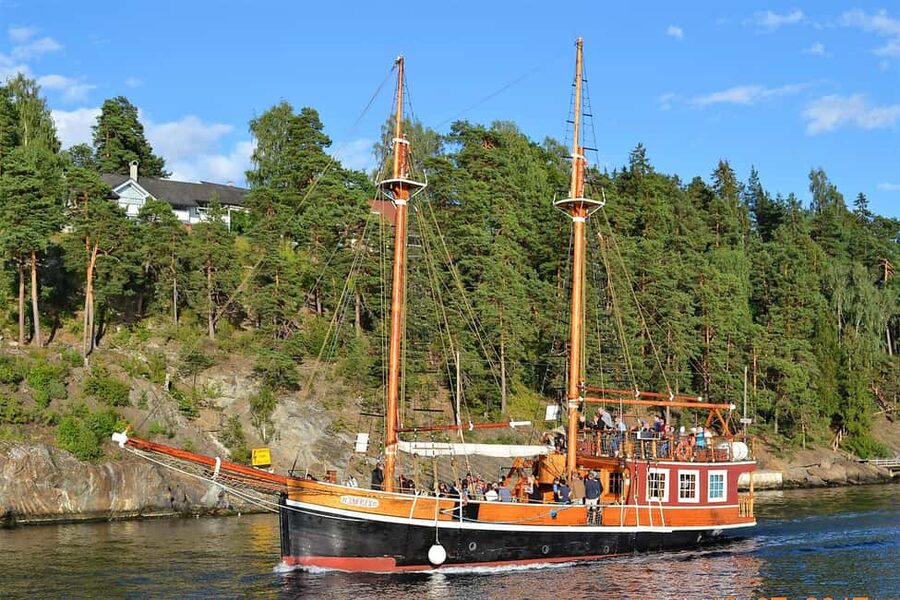
This mini cruise is interesting because it turns the Oslo Fjord into an easy, time-efficient sightseeing loop. You get to watch the city unfold from the water on a traditional Norwegian wooden sailing ship, with guidance designed to help you make sense of what you’re seeing.
I especially love the mix of big-name waterfront landmarks and the calmer pace of a one-hour ride. If you land on a friendly crew moment, you’ll likely feel it, too, since feedback highlights captains like Captain Jan being warm and chatty.
One consideration: the ride is only 50 minutes, so it can feel quick. Also, the audio can be hard to hear on busier parts of the deck, so you may need to adjust where you stand to catch the narration.
Key points at a glance
- Traditional wooden ship feel, plus warm blankets to make the deck time comfortable
- Fjord views with city landmarks from the water, including the Oslo Opera House and Akershus Fortress
- Audio + app support in 13 languages, so you can follow even if you miss a speaker moment
- A real bar onboard, with drinks and snacks available while you watch the harbor pass by
- A focused route that hits multiple Oslo waterfront areas without eating your whole day
Why a 50-minute fjord cruise is such a smart Oslo move
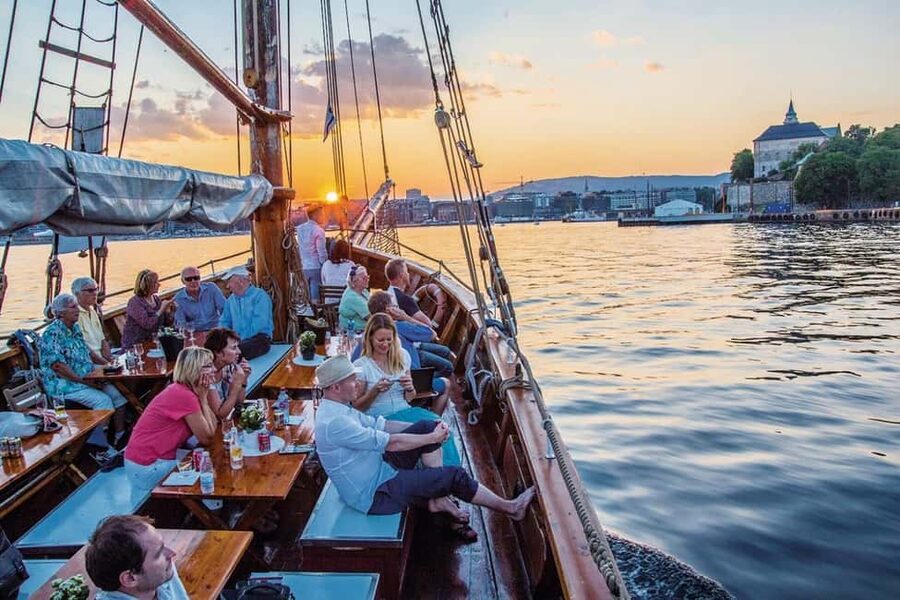
Oslo is a city that rewards pacing. If you only have a day, or you’re trying to avoid stacking too many museums, a short fjord sail is the fastest way to get the “this is why people like Oslo” feeling. You’re not just looking at buildings on land, you’re watching them relate to water, hills, and harbor shape, all at once.
This one is built for that. The cruise runs about 50 minutes, which means you can slot it in before lunch, after a museum, or even during a short layover day. Families also tend to like the timing, since it’s long enough to see a real loop and short enough that kids are not stuck for ages.
And the price is notably reasonable for what you get. At $36 per person, you’re paying for the boat time, onboard comforts like blankets, a bathroom, and structured sightseeing guidance. Drinks and snacks are extra, but the core experience is still a strong value compared with activities that cost similar money but don’t include the “transport as entertainment” part.
The best fit is simple. If you want a guided taste of the fjord, good photo angles, and a relaxed hour where the city moves past you, this is a great booking.
More Boat Tours in Oslo
- Oslo: Oslo Fjord Sightseeing Cruise by Sailing Ship
★ 4.5 · 5,790 reviews - Oslo: Scenic Fjord Cruise with Audio Guide Commentary
★ 4.5 · 5,375 reviews - Oslo: 100% Electric Oslofjord Sightseeing Cruise
★ 4.4 · 2,041 reviews
Boarding at Rådhusbrygge 3, Pier 3 by Oslo City Hall
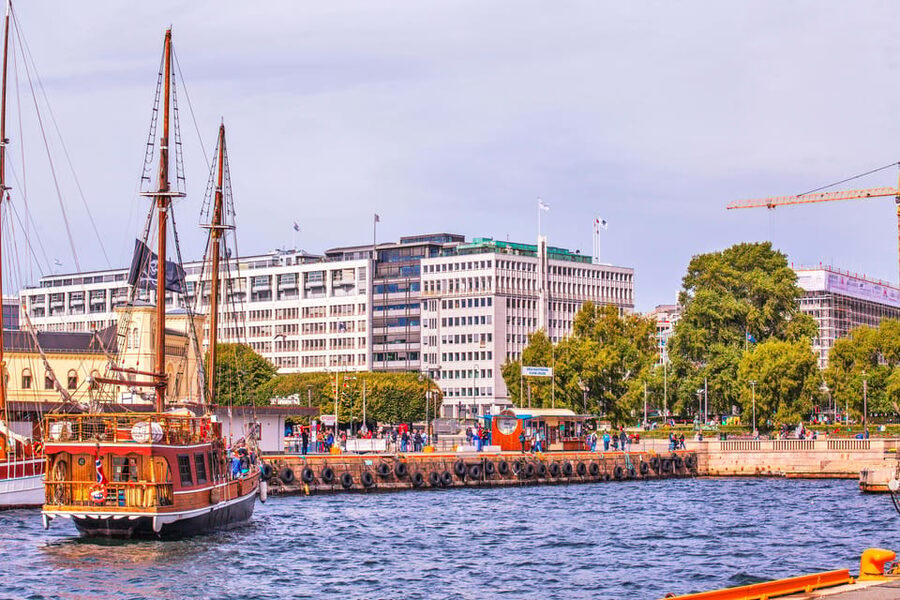
Start with the location, because it’s the one thing that can cause stress if you show up late. You meet at Oslo City Hall, Pier 3, at Rådhusbrygge 3. Look for the kiosk sign for Oslo Sightseeing Fjord Cruise.
Plan to arrive a few minutes early. It’s a small waterfront boarding area, and you’ll want time to find a good spot before the crowd shifts. Comfortable shoes help, since you’ll be on decks and near gangways.
Also, bring layers. The cruise is short, but you’re out on open water. Even on pleasant days, a light wind can change how you feel on the upper deck. You do get warm blankets onboard, which helps a lot, but it’s still smarter to dress like you might step outside for a while.
On board: wooden ship charm, blankets, and a real bar
The boat is the whole point. Instead of a big impersonal ferry, you’re on a traditional wooden sailing vessel. That alone makes the experience feel more Norse and less like a generic tour. The boat has a bathroom, and you’ll find blankets waiting so you’re not freezing while you watch the city slide by.
Then there’s the bar. You can buy a drink while you cruise, with options including beer, wine, cocktails, soft drinks, tea, and snacks. Practically, this matters because it turns the hour into a hangout as much as a tour. If it’s a sunny day, having something warm or refreshing in hand makes you want to stay on deck longer.
A small but important detail from real-world feedback: the sound system may not be perfectly loud everywhere. That doesn’t ruin the trip, but it means you should position yourself thoughtfully. If you’re sensitive to audio clarity, head toward the seating or standing area where you can hear the onboard speakers more clearly.
The Oslo Fjord route: what you’ll see and why it’s worth it
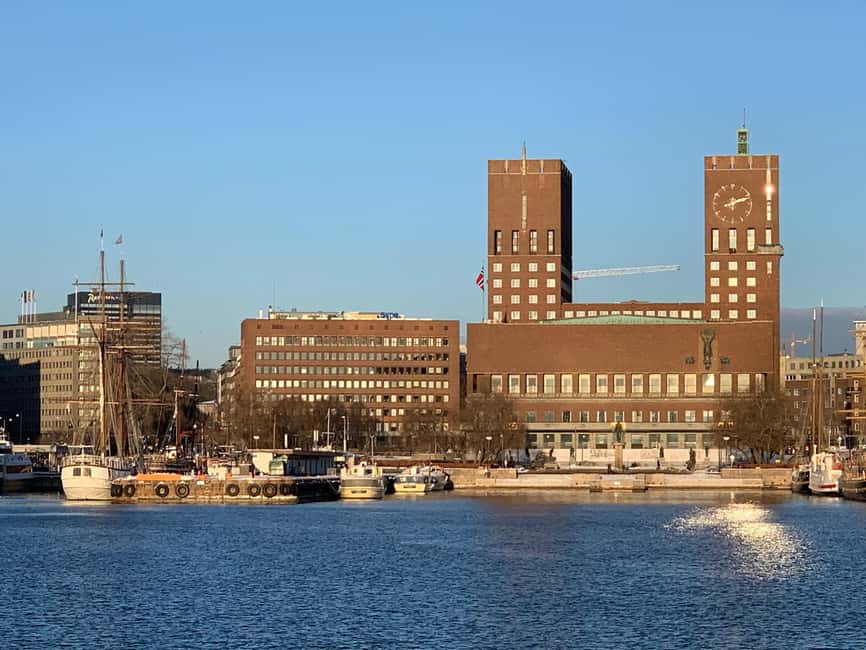
This isn’t a long-distance fjord expedition. It’s a curated loop built around Oslo’s most photogenic and story-friendly waterfront sights. From the start, you’ll get harbor views, then the coastline opens into green hills framing the city.
Akershus Fortress is one of the first major landmarks people look for from the water. You’ll also pass the Oslo Opera House, known for its standout contemporary architecture, and you’ll get a view from a perspective you rarely see if you’re only on land.
The route also includes museum and lighthouse territory:
- Munch Museum
- Kavringen Lighthouse
- Bygdøy (museum island area)
- Astrup Fearnley Museum
And you’ll see parts of Oslo that feel newer and more lively along the water:
- Sørenga
- Tjuvholmen
This mix is the value. A typical city walking day can bias you toward streets. The fjord cruise rebalances the day by showing you how the city was shaped by water access and how Oslo now builds its modern waterfront life right onto the harbor edge. You’ll also spot Norwegian cottages and summer houses, which give you that “real coastline, not just postcard buildings” feeling.
More Fjord Cruises in Oslo
- Oslo: Fjord Evening Cruise with Shrimp Buffet
★ 4.5 · 1,956 reviews - Oslo: Guided Sightseeing Fjord Cruise on Premium Silent Boat
★ 4.7 · 1,826 reviews - 2-Hour Oslo Fjord Sightseeing Cruise by Sailing Ship
★ 4.0 · 694 reviews - Oslo: Grand City Sightseeing Tour by Bus with Fjord Cruise
★ 4.6 · 647 reviews
Oslo Opera House from the water: the architecture moment
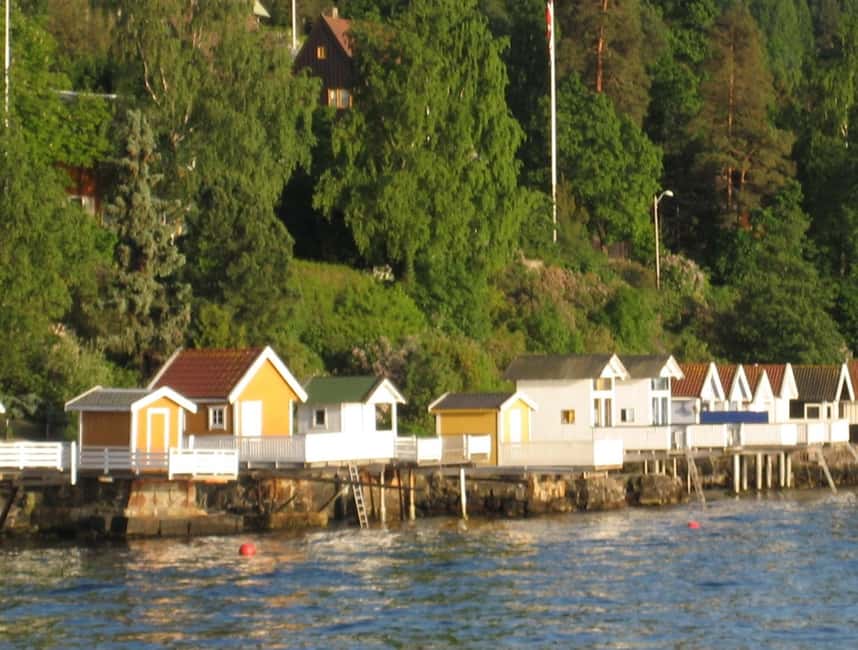
If you only remember one area, make it the Oslo Opera House. On land, it’s impressive. From the water, it becomes even more dramatic because you see how it sits right at the shoreline, with the fjord acting like a mirror frame.
A practical tip: this is a good moment to take photos, but don’t just whip out your phone and rush. Wait for the angle where the Opera House faces the deck you’re on. If you’re on a lower viewing position, you might need to move a bit to avoid railings in the shot.
Also, the narration around this kind of landmark tends to help you notice details you’d otherwise overlook. The Opera House isn’t presented as just a name, it’s tied to what makes it architecturally striking, which makes your photos feel more meaningful when you review them later.
Akershus Fortress and the harbor story Oslo tells itself
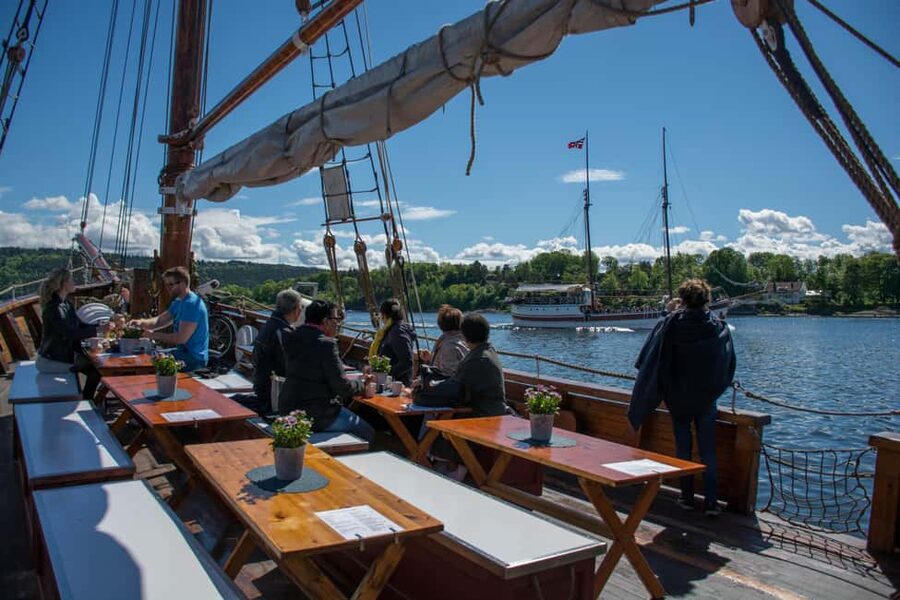
Then comes the other heavyweight: Akershus Fortress. Fortresses are easy to admire from a distance, but from the water you feel the logic of defense and access. You see it in relation to the harbor, which makes the site click faster.
Even if you’re not a history person, this stop helps you get oriented. It marks the shoreline character of Oslo and gives you a mental map for where the city’s older core sits relative to the newer development areas further along the waterfront.
If you care about taking photos with context, this is one of your best chances. Try to capture the fortress with some harbor water texture behind it, not only the stone walls. You’ll get a more “place” image than a purely zoomed-in one.
Bygdøy and museum island areas: a fast taste before you choose a deeper day
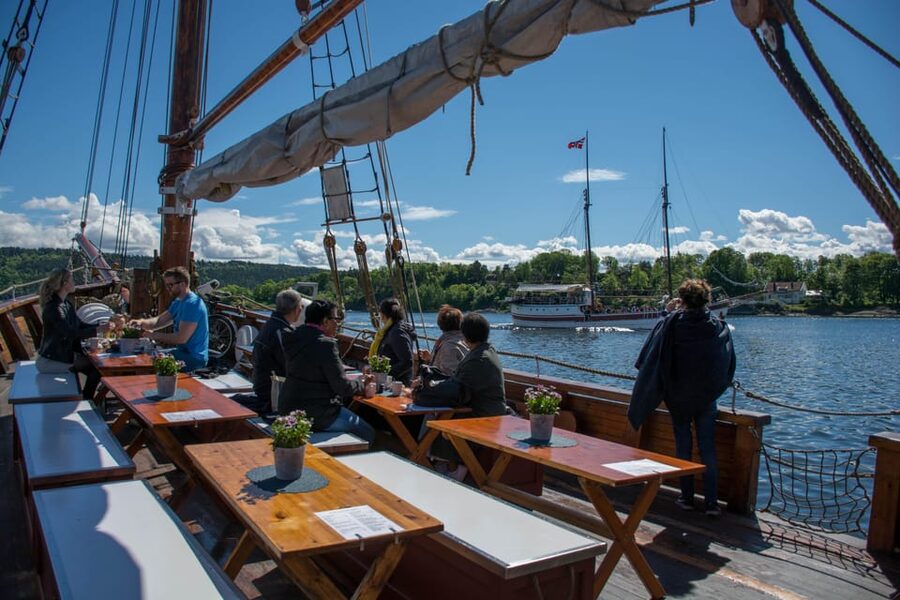
The cruise includes Bygdøy, plus museum areas such as the Astrup Fearnley Museum and the Munch Museum. That means you’re not just passing neighborhoods, you’re getting a preview of Oslo’s cultural shoreline.
Here’s what makes it useful for your planning: after the cruise, you can decide whether you want to spend more time on the museums you saw from the water. If you do, Bygdøy is an easy follow-on area, and ferry options are available after the cruise from the same pier.
What to watch for while you sail: museum island viewpoints tend to look different depending on the angle. Instead of imagining the building, you’ll understand the setting. You’ll see how the water lines up with the coast, how the grounds sit higher or lower than the harbor edge, and how that affects walking routes once you’re on land.
There is one limitation. With a short ride, you won’t get deep dives into each museum’s story. The cruise is a look from the water first, and a prompt for what to do next second.
Kavringen Lighthouse and the charm of real coastal life
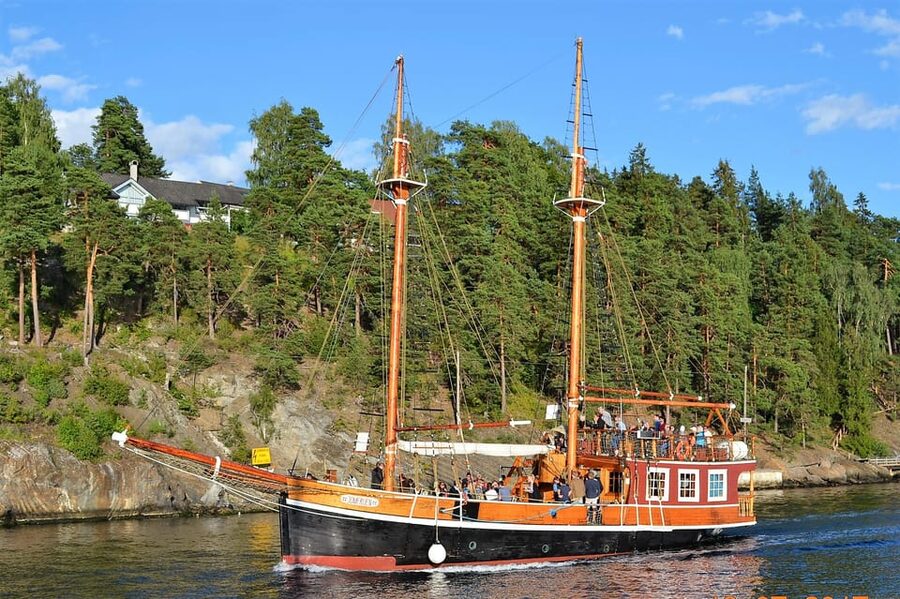
Kavringen Lighthouse adds a different flavor. Fortresses and famous buildings are one kind of viewing. Lighthouses and shoreline structures feel more functional, more “coast at work.” That balance is why this route doesn’t feel repetitive.
You also get glimpses of Norwegian cottages and summer houses. These are the details that make the cruise feel more lived-in. From the water you can actually sense how people use the shoreline, not just how the city markets itself.
If you like nature-adjacent scenes, this is where you’ll probably stop taking architecture shots and start taking broader coastline shots. It’s also where you’ll likely enjoy the movement the most, since the eye has more to track than just one landmark.
Sørenga and Tjuvholmen: modern Oslo along the water
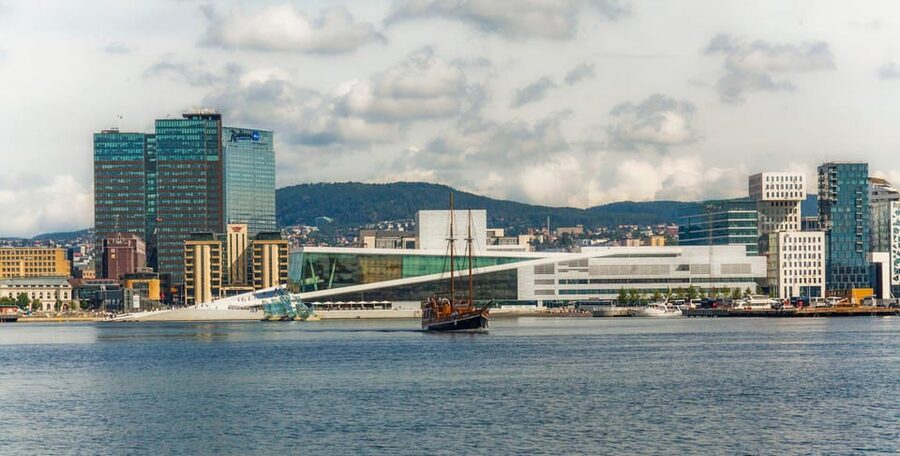
Halfway to the end, the cruise turns attention toward Oslo’s newer waterfront areas, especially Sørenga and Tjuvholmen.
From the water, these neighborhoods can feel like a different Oslo version from the older core areas like Akershus. You’ll notice the shoreline design, the way buildings and public space relate to the harbor edge, and the overall “today” vibe of the waterfront.
This is also where a short cruise works well, because you can see the shift in one sitting. If you’re deciding where to walk after, these views help you pick a direction with more confidence. You’ll know what kind of waterfront you want more of, urban promenade style or older shoreline character.
How the audio guide and Oslo Fjord Guide app actually help you follow along
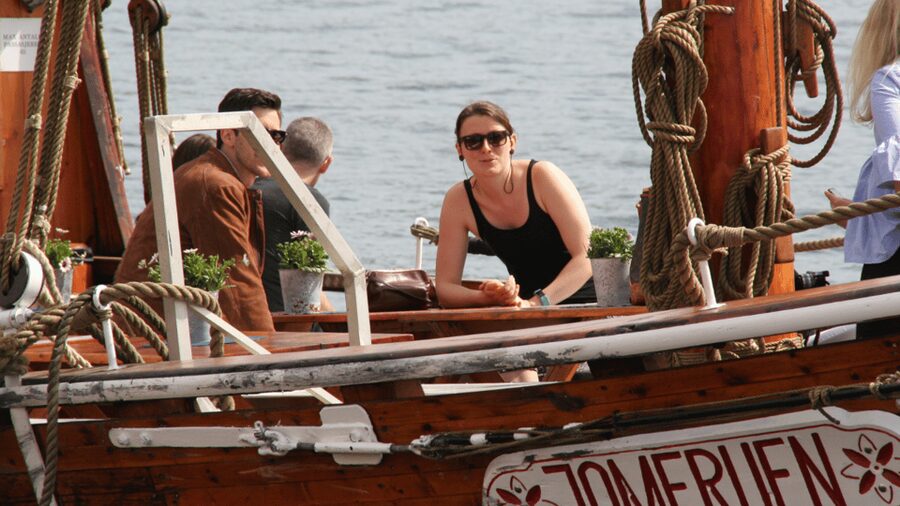
The narration is a big part of why the experience feels guided rather than just scenic. You get information through onboard speakers in multiple languages, and there’s also a companion app.
The onboard language is English through the speakers. The app, called Oslo Fjord Guide, gives you additional info and supports 13 languages: English, Arabic, German, Spanish, French, Italian, Japanese, Korean, Dutch, Portuguese, Turkish, Chinese, and Russian.
This setup matters because short cruises move fast. You might not catch every line while you’re moving for photos. With the app, you can reconnect with the spots you want to understand more. It’s a good idea to check which language you’re using before the cruise starts.
If you’re traveling with kids or people who get bored by narration, the app can be a way to keep interest without forcing everyone to listen. You can skim information during the quieter moments and then focus on photos when the big landmarks come up.
Price and drink math: getting value without being surprised
At $36, the cruise is priced like a budget-friendly sightseeing add-on, not a premium long excursion. What you’re getting for that money is meaningful: the boat ride itself, guided sightseeing, a multi-language app, warm blankets, and access to onboard basics like a bathroom.
Drinks are extra. The bar makes it easy to stay warm or take the edge off a chilly breeze, but it can add up. One feedback mention was that an aperol spritz felt pricey, so if you’re trying to keep a tight budget, set a drink limit before you board.
Think of the cost this way: if you’d otherwise pay for a taxi ride plus a quick harbor experience, this can stack up as simpler and more enjoyable. And because it’s short, you don’t sacrifice an entire afternoon to do it.
Small drawbacks to plan around (so you still have fun)
No tour is perfect, and this one has a few predictable quirks.
Weather and sea conditions matter. The cruise may be subject to conditions, so if Oslo is having rough water that day, keep flexibility.
Second, the ride can feel fast. Since it’s only 50 minutes, you won’t have time to fully do “one landmark at a time” unless you’re okay with rushed viewing. This is great for highlights, not great if you want slow pacing.
Third, audio clarity can vary. Some feedback points out that it could be hard to hear over other groups. If you notice that happening, don’t just accept it. Move slightly toward where the speakers are clearest and switch from filming to listening for a moment.
Finally, remember you’re on a deck in changing wind. Blankets help, but you’ll still want a light jacket or layer you trust.
Who this fjord mini cruise is best for
This cruise works well for:
- First-time Oslo visitors who want a quick orientation to the waterfront
- Families who want the boat, the views, and a shorter time commitment
- Layover travelers who need a high-impact activity without locking up half the day
- Anyone who likes photos but also appreciates a guide to explain what they’re seeing
If you’re the kind of traveler who wants heavy history and detailed museum context, you may feel the cruise is too short. But that’s also a benefit. It helps you decide what to expand later.
Should you book this Oslo Fjord Mini Cruise?
I’d book it if you want a low-stress, one-hour fjord-and-city experience with warm blankets, a traditional wooden ship feel, and guided sightseeing that actually helps you recognize landmarks.
Skip or consider an alternative if your top priority is long-form history, or if you already plan to spend your whole day in museums and you don’t care about waterfront views. In that case, a longer cruise or a museum-focused day might better match your interests.
For most visitors, this is one of those bookings that pays off fast. You get the fjord angle, you get the landmark list, and you still have energy for whatever you choose next on land.
FAQ
How long is the Oslo Fjord Mini Cruise?
The cruise lasts about 50 minutes.
Where do I meet for the tour?
Meet at Oslo City Hall, Pier 3, at Rådhusbrygge 3. Look for the kiosk with the Oslo Sightseeing Fjord Cruise sign.
What’s included in the price?
You get the sightseeing cruise, an audio guide, the Oslo Fjord Guide app with additional information in 13 languages, a service-minded crew, and blankets.
Can I buy drinks or snacks onboard?
Yes. A bar is available onboard with drinks such as beer, wine, cocktails, soft drinks, tea, and snacks for purchase.
What languages are available for the guide?
English is available through onboard speakers. The app supports 13 languages, including English, Arabic, German, Spanish, French, Italian, Japanese, Korean, Dutch, Portuguese, Turkish, Chinese, and Russian.
Is the cruise affected by weather?
It may be subject to sea and weather conditions.
Freshly reviewed in Oslo
- Oslo City Highlights with Fjord Cruise★ 4.5 · 128 reviews
- Oslo: Oslo Fjord Cruise with Live Jazz Music & Shrimp Buffet★ 4.4 · 143 reviews
- From Oslo: Oslomarka Forest Guided Snowshoeing Tour★ 4.8 · 161 reviews
- Oslo Fjord Evening Cruise with Shrimp Buffet on a Sailing Ship★ 4.0 · 170 reviews
- Oslofjord Sightseeing★ 4.0 · 170 reviews
- Oslo: City Highlights Walking Tour★ 4.8 · 197 reviews
- Oslo: Snowy Forest Torchlight Walk with Campfire★ 4.6 · 254 reviews
- Oslo: Private Walking Tour with a Local★ 4.5 · 263 reviews
Fjord Cruises, compared.
Electric Fjord Cruise to Lysefjord & Preikestolen
Read our review →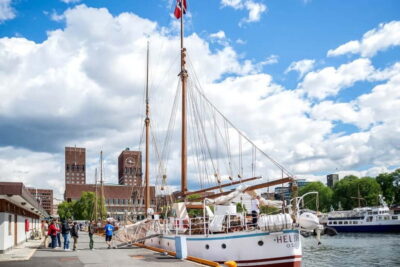
Oslo Fjord Sightseeing Cruise by Sailing Ship
Read our review →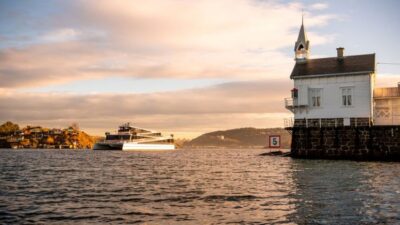
Scenic Fjord Cruise with Audio Guide Commentary
Read our review →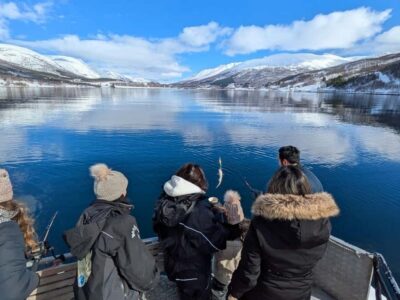
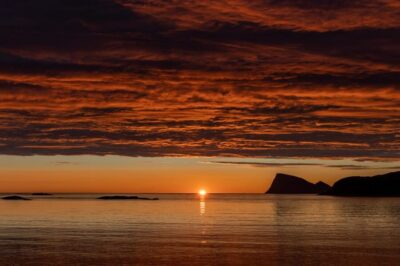
Fjords and Sommarøy Islands Tour with Salmon Picnic
Read our review →
Mostraumen Fjord Cruise – with Local Tour Guides
Read our review →
Dalsnibba, Flydalsjuvet, Eagle Bend & Fjords Tour
Read our review →Browse the lists this tour appears in