
Reviewed · CITY TOURS
Oslo: City Sightseeing Hop-On Hop-Off Bus Tour
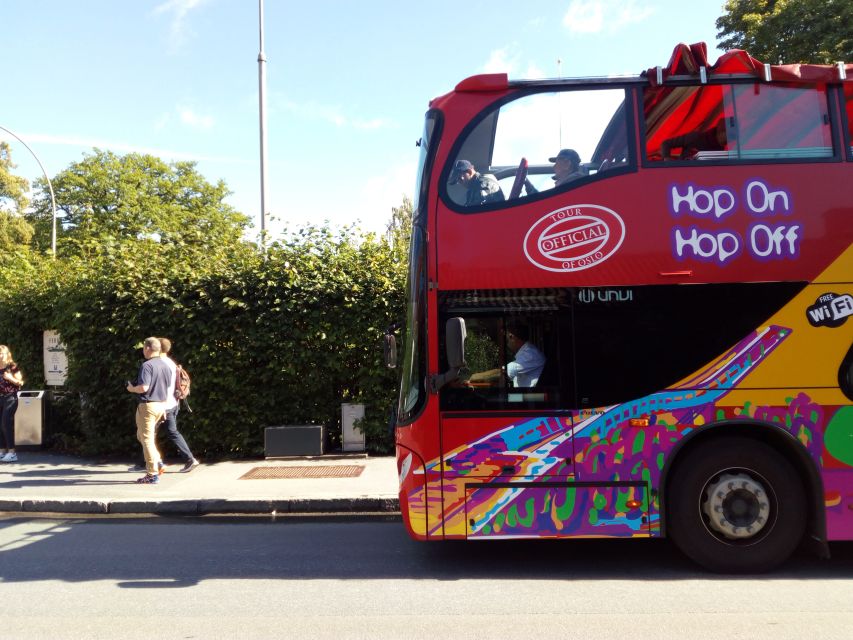
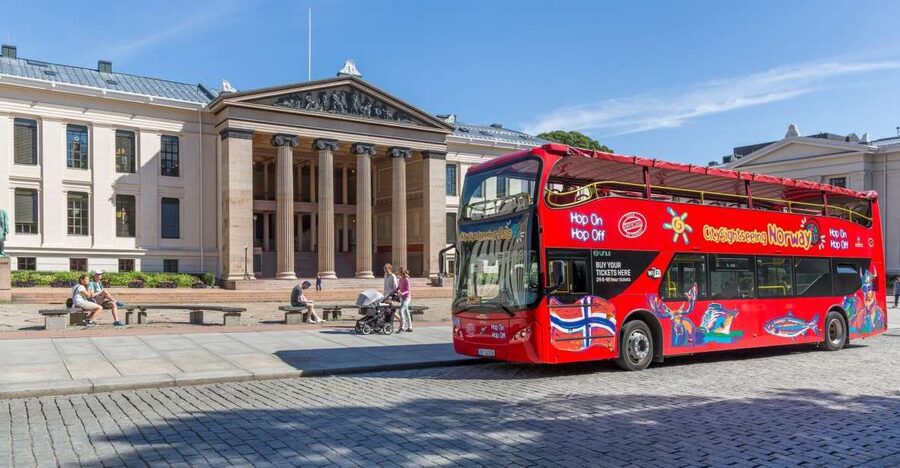
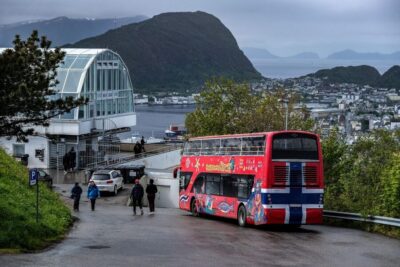
Oslo’s best sightseeing hack is an open-top, double-decker loop that lets you turn the city into a choose-your-own-day plan. You get wide views all the way across the water and rooftops, plus audio you can listen to at your pace.
I really like two things: the tour runs on eco-friendly electric buses, and the schedule gives you hop-on hop-off flexibility for a full 24 or 48 hours. That is a smart match for Oslo, where the big sights are spread out but not unreachable.
One thing to consider is that open-top viewing is weather-dependent. If rain comes in hard, you may spend more time inside the bus, and a couple of the audio setups can be finicky if you end up with poor headphone contact.
Key highlights you will actually use
- 24 or 48 hours of freedom to build your own Oslo itinerary without rushing
- Eco-friendly electric buses plus free Wi-Fi on-board for downtime between stops
- Frequent departures every 30 minutes with a full loop that takes about 90 minutes
- Stop where you want, including the Royal Palace, Vigeland Sculpture Park, Viking Ship Museum, and the Opera House
- Cruise-friendly routing with stops near major terminals and ferry areas
- Audio guide in 8 languages with headphones, plus an option to use your own device
Why this Oslo hop-on hop-off bus makes sense
This tour is interesting because Oslo is a city you can feel quickly, even when you only have a day. One 90-minute circuit gives you the “shape” of the city: where the parks start, where the museums cluster, and how the waterfront connects everything. Then you get to decide what deserves a second look.
I also like that the buses are electric. It helps the overall comfort of the ride, and it fits Oslo’s modern, forward-thinking vibe. Even better, you do not have to lock yourself into one fixed itinerary. Your ticket is valid for either 24 or 48 hours, so you can spread your sightseeing over two days if the weather flips.
The tradeoff is simple: with open-top sightseeing, you are at the mercy of the sky. On rainy days, the experience becomes more about getting to the right stops quickly than standing outside for long stretches.
Other ways to spend a day around Oslo
- Oslo: Oslo Fjord Sightseeing Cruise by Sailing Ship
★ 4.5 · 5,790 reviews - Oslo: Scenic Fjord Cruise with Audio Guide Commentary
★ 4.5 · 5,375 reviews - Oslo Nature Walks: Island Hopping Tour
★ 4.8 · 2,713 reviews
Price and value: what you are really paying for
The ticket price is $46 per person, with validity for 24 or 48 hours. On its face, that can sound like “paying for convenience,” but Oslo is exactly the kind of city where convenience turns into real savings.
Here is how the value shows up:
- You get transportation that drops you close to big draws without figuring out buses, routes, and transfers on your own.
- The frequency every 30 minutes reduces the penalty of waiting. If you hop off somewhere to explore, you will usually not be stuck long before the next bus comes.
- The audio guide covers major sights with narration in multiple languages, which is helpful when you are bouncing between different neighborhoods.
- You also get discounts on attractions, even though entry tickets are not included. That means you can plan which museums to pay for, instead of paying blindly for every stop.
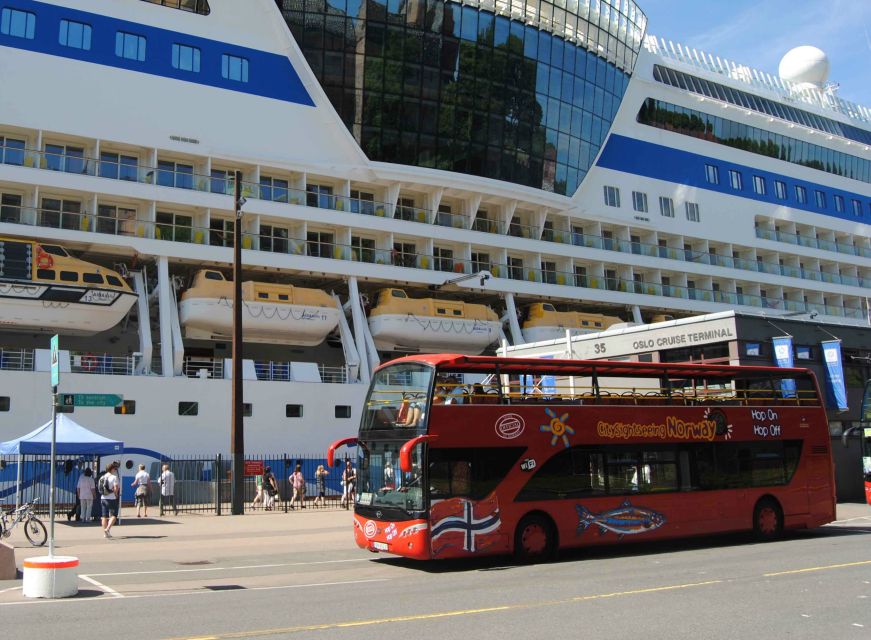
For cruise passengers, it can be especially good value because the stops are built to match how visitors arrive. If you are docking and then trying to make the most of limited time in port, being able to board near terminals matters.
Getting on at the Nationaltheatret and building your own day
The first stop is at Nationaltheatret on Karl Johans Gate. You can also board at several other stops like Frogner Park and Vigeland Sculpture Park, the Norwegian Museum of Cultural History area, Viking Ship Museum, the Kon-Tiki/Fram/Maritime cluster, the Opera House, and the cruise terminal zones.
The schedule basics you should plan around:
- First departure from Stop 1 is 10am
- Last departure from Stop 1 is 4pm
- The loop takes about 90 minutes
- Buses run about every 30 minutes
What this means in practice is that you can start late in the morning, do your “orientation run,” and still have time to hop off for museums. If you are aiming for evening views, just remember the last departures from the main start point are in the mid-afternoon.
Also note the ticket style: you can show a mobile voucher or a printed voucher and redeem it at stops. Still, I would bring a printed backup if you can, since smooth check-in seems to vary depending on who is working the stop that day.
The route in plain English, from royal center to museum peninsula
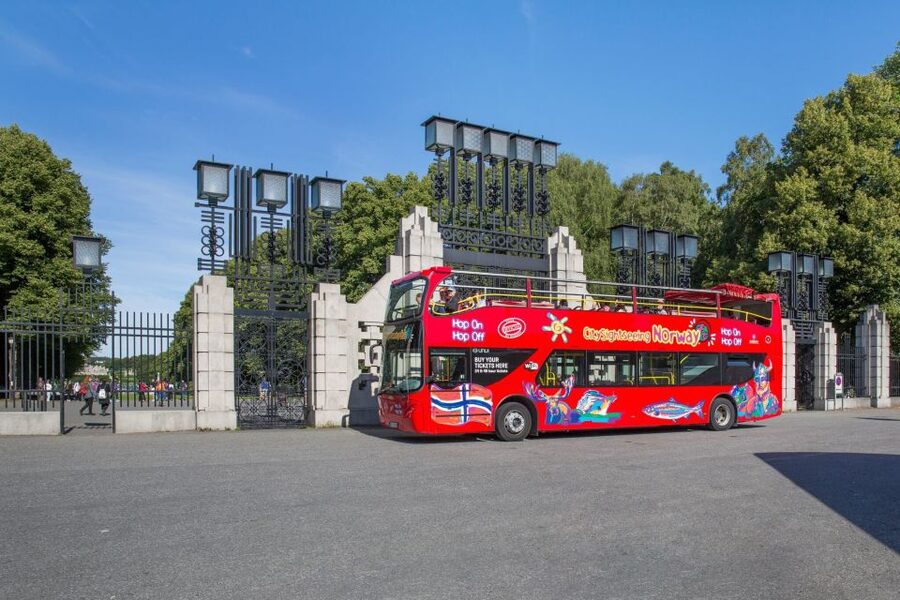
Think of this route as three layers: the city center landmarks, the museum-heavy areas, and the waterfront with terminals and ferry zones. Even if you never look at a map, the bus helps you learn where these areas sit relative to each other.
Different weather, different plan? Oslo also runs these:
- Oslo: 24 or 48-Hour Hop-On Hop-Off Sightseeing Bus GrayLine
★ 4.0 · 2,088 reviews - Oslo: 100% Electric Oslofjord Sightseeing Cruise
★ 4.4 · 2,041 reviews - Oslo: Fjord Evening Cruise with Shrimp Buffet
★ 4.5 · 1,956 reviews - Oslo: Guided Sightseeing Fjord Cruise on Premium Silent Boat
★ 4.7 · 1,826 reviews
City center: Nationaltheatret, Karl Johans Gate, and the Royal Palace area
Your loop starts where many visitors naturally want to be: Nationaltheatret on Karl Johans Gate. This strip is the spine of central Oslo, so you can use it as your anchor for orientation.
From here, the bus also loops past or stops around:
- The Royal Palace (official residence of the present Norwegian monarch)
- Karl Johans Gate (the central corridor connecting key sights)
If you are doing this on day one, getting these views early helps your brain lock in distances. You will know what feels close, what is a longer hop, and where you might want to return later for photos.
A drawback to keep in mind is that central streets can get traffic slowdowns. When traffic ramps up, your sightseeing photos turn into “window viewing.” Still, the bus keeps you moving between high-interest areas without you needing to solve transit in the moment.
Frogner Park and Vigeland Sculpture Park: the art-and-park day
One of the most popular stops is Vigeland Sculpture Park and the nearby Oslo Museum area. This is where you stop for a stroll, not a quick glance. The vibe is different than the more formal buildings in the center. You get an Oslo that feels personal and outdoor-focused.
You will also get a pass-by of Frogner Park as the route connects toward this area. If you like walking in green spaces and you want something visually striking that is not inside a museum, this is usually the strongest use of one of your hop-off choices.
The museum cluster: Norwegian Museum of Cultural History, Viking Ships, Kon-Tiki, Fram
If you want “big name museum time” with minimal transit effort, you are in luck. The route includes multiple stops that point you to the same general museum zone.
Key stops you will want to plan around:
- Norwegian Museum of Cultural History (great for deeper context on Norway and daily life themes)
- Viking Ship Museum (classic Oslo must-see for ship history)
- Kon-Tiki Museum
- FRAM Museum (often paired with polar-ship interest)
- Norwegian Maritime Museum
These are the kinds of places where hopping off matters because each one can take time. If you only have a day, you might choose one “main museum” and use the others as quick look options, depending on what is open and how long you want to linger.
One practical note: the route includes some repeated stops in the museum zone. That is useful if you decide you want to return to the area without backtracking. Just keep your schedule flexible so you do not miss the bus when you are inside a museum and time slips away.
Waterfront and terminals: cruise ship views, ferry zones, and harbor movement
This bus is also useful because it runs along areas linked to arrival points and the waterfront. Stops include:
- Oslo Cruise Ship Terminal and Akershus Fortress area
- Oslo Ferry Port (including DFDS)
- Langkaia
- Tjuvholmen (listed as an alternative stop)
- Cruise-terminal stops such as Color Line Terminal Hjortnes and Filipstad Cruise Terminal CREATE
This part of the route is especially valuable if you want water views without changing your whole plan. You also get a sense of how maritime Oslo works, which makes the museum stops feel more connected rather than random.
If you are land-based, this section is still worth riding through. The waterfront rhythm gives you a break from the dense museum blocks, and it can help you plan where you might want to walk after you get off.
Opera House and MUNCH Museum: modern Oslo in one stop
Near the end of the loop, the bus heads to:
- Oslo Opera House
- MUNCH Museum
This is where modern design and iconic architecture show up in your skyline. If you want one last hit of Oslo that feels current and photo-friendly, this stop is a strong closer. Even if you do not plan to enter every museum, the area is often a great place to hop off for a walk, take photos, and then reboard for your final return.
Doing it in 1 day versus 2 days
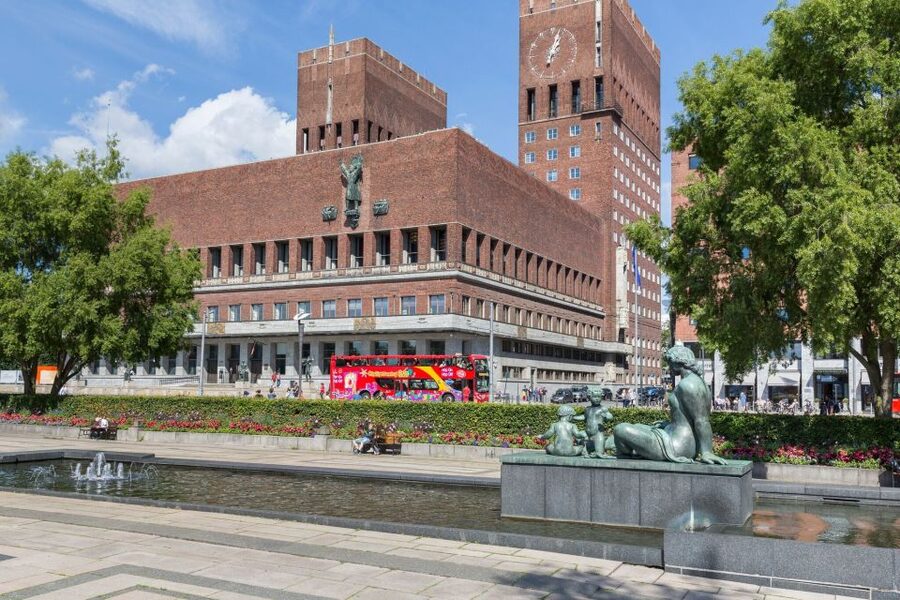
With a 24-hour ticket, you can still cover a lot, but you need to choose. A good way to think about it is:
- Use one loop for orientation and decide where you want to go deeper
- Spend your limited time on one or two stops that match your interests
With a 48-hour ticket, you get breathing room. You can do the city center and harbor views on one day, then focus on the museum cluster on day two. This is also a good choice if you are traveling in shoulder season or weather can change your plans.
If you are a cruise passenger, the two-day rhythm is often the easiest, because you can split major sights across port days without feeling like you have to sprint.
Audio guide and Wi-Fi: how to make the bus experience better
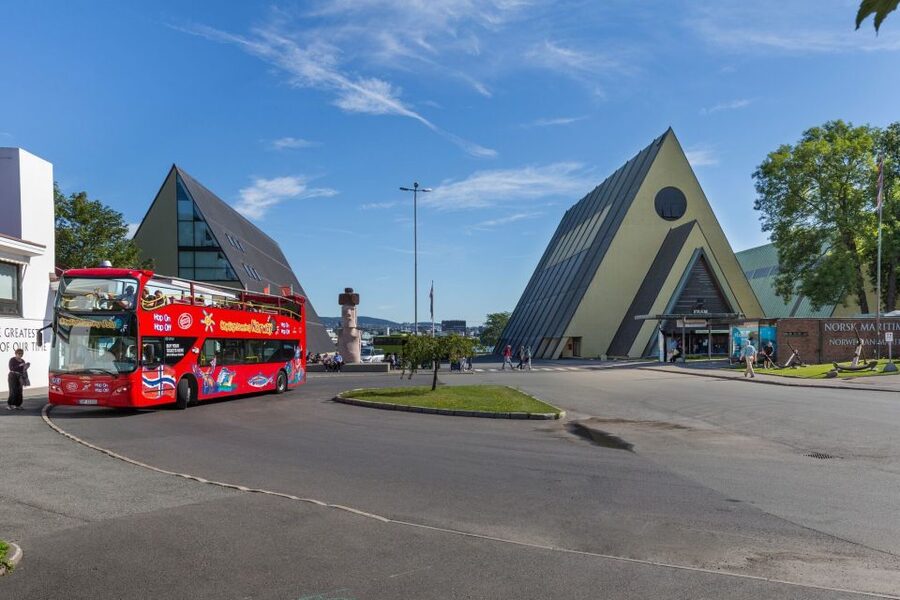
The tour includes audio guide commentary in 8 languages: English, Spanish, German, French, Chinese, Italian, Dutch, and Japanese. The narration includes headphones, and there is also an audio guide option available on your own device.
Two things to do so you get the most out of it:
- Put the audio on early. The city center narration helps you build context before you reach the museum zone.
- If the audio seems quiet or unclear, check headphone seating. A small contact issue can make it feel like the guide is suddenly “gone,” and then you lose the value of the headset.
You also get free Wi-Fi on-board. That is handy for mapping walking routes between stops or for checking opening hours while you are deciding which museum to commit to.
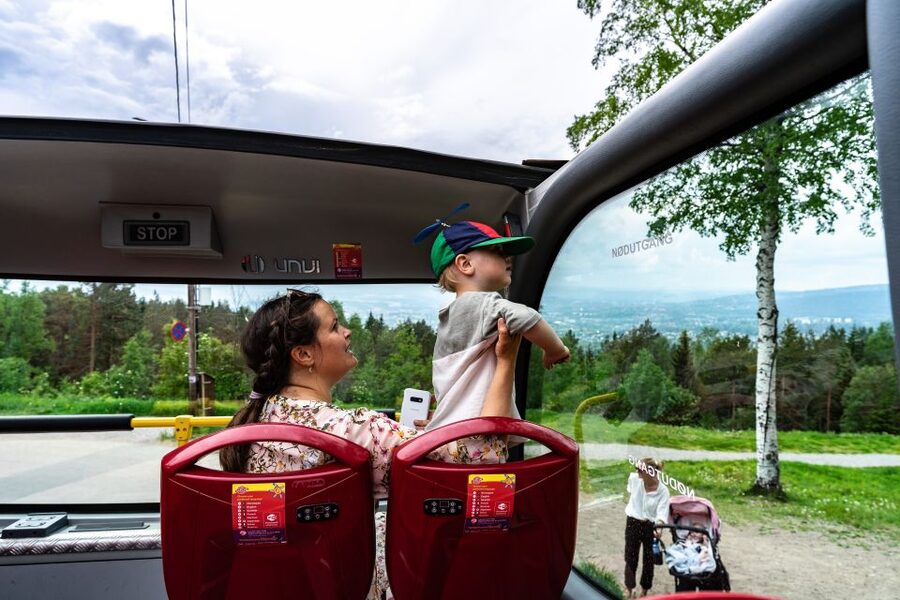
And because this is an open-top experience, I recommend you plan your photo time. Pick moments when your bus slows near major landmarks and then step up for shots. If it is rainy, keep your camera protected and prioritize quick stops over long outdoor sessions.
What to watch for at stops (based on real-world friction)
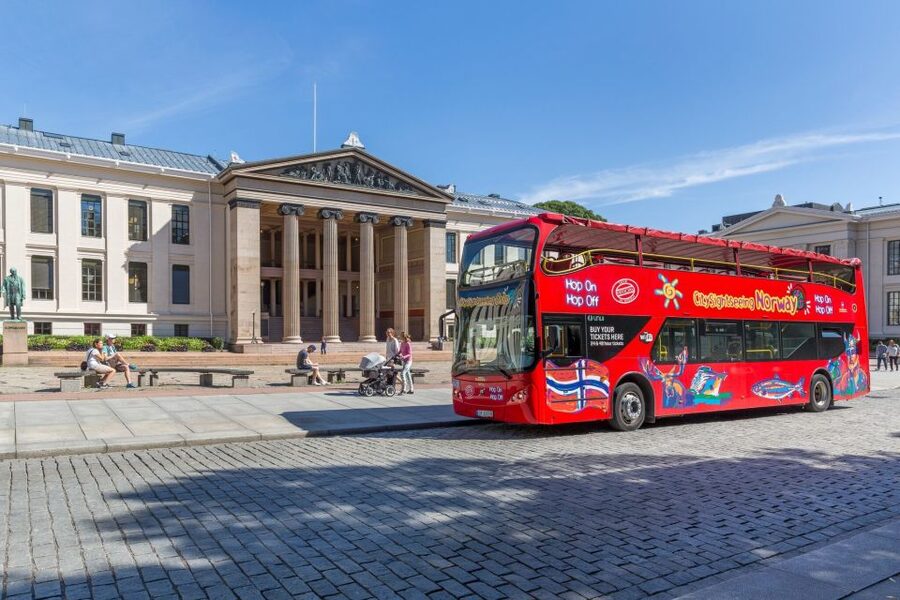
The bus stops are conveniently placed, including major landmarks and terminals. Still, there are a few practical realities that can shape how smooth your day feels.
1) Seating and boarding flow
At busy stops, you may stand while you wait for a clear turn to board. Starting from the first stop can improve your odds if you care about comfort early in the loop.
2) Visibility from the top
Open-top viewing is part of the charm, but rain gear matters. If there is any kind of temporary top barrier, you might find photos and sightlines less crisp. Your best bet is to move around for a clear angle when possible and not assume every moment will be the perfect view.
3) Ticket presentation
The operator states mobile and printed vouchers are accepted and can be redeemed at any stop. If someone at a stop pushes for paper, having a printed copy as backup saves time and stress.
Stop-by-stop: what each major place is best for
Here is a friendlier way to choose what to hop off for, without overplanning.
Nationaltheatret and Karl Johans Gate
Best for: first-day orientation and figuring out distances.
Why it matters: central Oslo ties together the rest of your route.
Vigeland Sculpture Park and Oslo Museum
Best for: walking, outdoor art, and a break from museums.
Why it matters: it is visually strong and feels like a real Oslo park moment, not just a transit stop.
Norwegian Museum of Cultural History
Best for: context and deeper understanding beyond postcard Norway.
Why it matters: it gives you background that makes other museums click.
Viking Ship Museum
Best for: a classic Oslo “must” with strong visual impact.
Why it matters: it anchors the museum zone around ships and maritime themes.
Kon-Tiki Museum and FRAM Museum
Best for: if you like exploration stories and polar-era curiosity.
Why it matters: these are high-interest museums that you can plan as your main target.
Norwegian Maritime Museum
Best for: maritime culture links and extra context.
Why it matters: it pairs naturally with Viking and polar-ship interests.
Akershus Fortress area and cruise terminal zones
Best for: waterfront views and cruise-friendly sightseeing.
Why it matters: it makes Oslo feel tied to the sea, which you might miss if you stay only in the city core.
Opera House and MUNCH Museum
Best for: modern architecture and a strong final stop.
Why it matters: it is easy to combine with photos and a reboarding plan.
Who this tour is best for
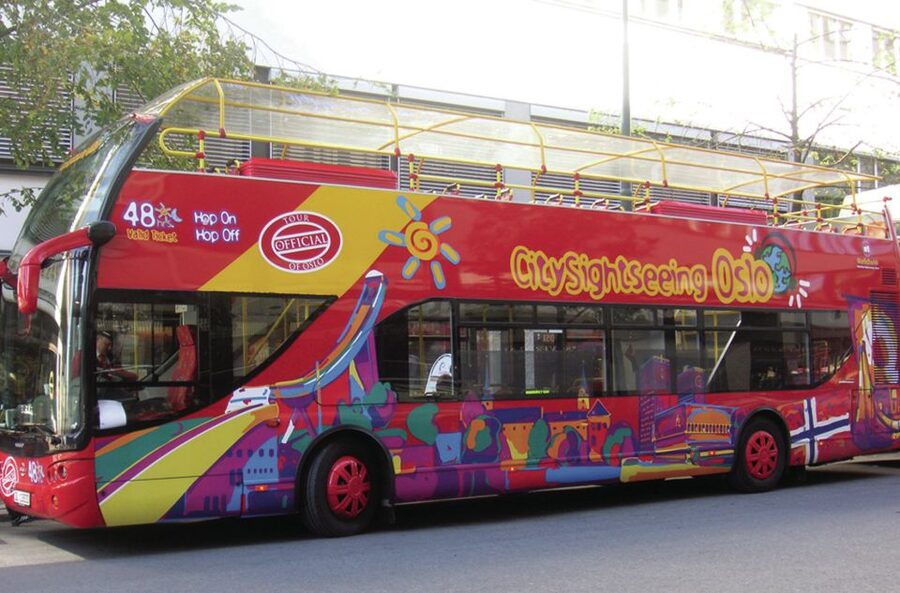
This is a smart pick if you:
- Want maximum sights per day without transit stress
- Are visiting Oslo for the first time and need orientation fast
- Are on a cruise and want stops near arrival points
- Prefer flexible plans, not a rigid group schedule
- Like audio guides for quick, structured context between stops
It is less ideal if you hate crowds at stops or you know you will spend most of your time indoors anyway. In bad weather, the open-top element loses some of its magic, though you still benefit from the frequent loop and hop-off access.
Should you book the Oslo hop-on hop-off bus?
My take: yes, you should book it if you want a low-effort way to see Oslo’s main anchors and you plan to visit at least one or two of the big attractions on the route. The 24 or 48-hour validity is the key advantage, because it turns sightseeing from a frantic one-and-done into a day you can flex.
Book it now, before your trip, if you want the easiest boarding experience and the best chance to align with your schedule window. And if you can, come prepared with a printed voucher backup and quality headphones or your own device audio option, so you are covered if anything feels glitchy at a specific stop.
If you are trying to decide between guessing your own routes versus using a proven loop, this one is built for people who want their time in Oslo to feel smooth.
Freshly reviewed in Oslo
- Oslo City Highlights with Fjord Cruise★ 4.5 · 128 reviews
- Oslo: Oslo Fjord Cruise with Live Jazz Music & Shrimp Buffet★ 4.4 · 143 reviews
- From Oslo: Oslomarka Forest Guided Snowshoeing Tour★ 4.8 · 161 reviews
- Oslo Fjord Evening Cruise with Shrimp Buffet on a Sailing Ship★ 4.0 · 170 reviews
- Oslofjord Sightseeing★ 4.0 · 170 reviews
- Oslo: City Highlights Walking Tour★ 4.8 · 197 reviews
- Oslo: Snowy Forest Torchlight Walk with Campfire★ 4.6 · 254 reviews
- Oslo: Private Walking Tour with a Local★ 4.5 · 263 reviews
City Tours, compared.
Grand City Sightseeing Tour by Bus with Fjord Cruise
Read our review →
Oslo Combo Tour: Grand City Tour and Oslo Fjord Cruise
Read our review →
Browse the lists this tour appears in