
Reviewed · WHALE WATCHING
Andenes: Responsible Whale Watching with Classic Catamaran
Andenes whale watching is interesting because you go from a working Norwegian harbor straight into open Arctic water where whales can appear close to the boat, fast. I love how the team works like a real marine crew, not a casual sightseeing group, and how the trip mixes serious wildlife spotting with comfort when the weather turns. One drawback to plan for is that the tour is weather-dependent, and if seas are rough (or whales are elsewhere), timing and chances can change.
I also like the practical, responsible approach. You’re on a viewing-first boat with an indoor warm cabin, and the guides share what they’re looking for while explaining why responsible whale watching matters. The one thing to watch is language speed, since at least one English learner found the guide spoke very quickly and that made the commentary harder to follow.
Key Points at a Glance
- Marine biologists and local experts guide the search, so your sightings come with context, not just luck.
- Heated indoor cabin plus a heated experience, hot soup, tea, coffee, and biscuits, helps you stay warm during spotting.
- Outdoor viewing deck lets you track surfacing whales and seabirds without constantly asking to move around.
- Daily route changes based on whale movement and sea conditions, so the skipper is reacting, not following a fixed script.
- Whale Pass rebooking gives you a second shot if you do not see whales, subject to availability.
- Responsible rules keep the experience respectful, including no touching marine life and no drones.
Why Andenes Whale Watching From a Classic Catamaran Feels Different
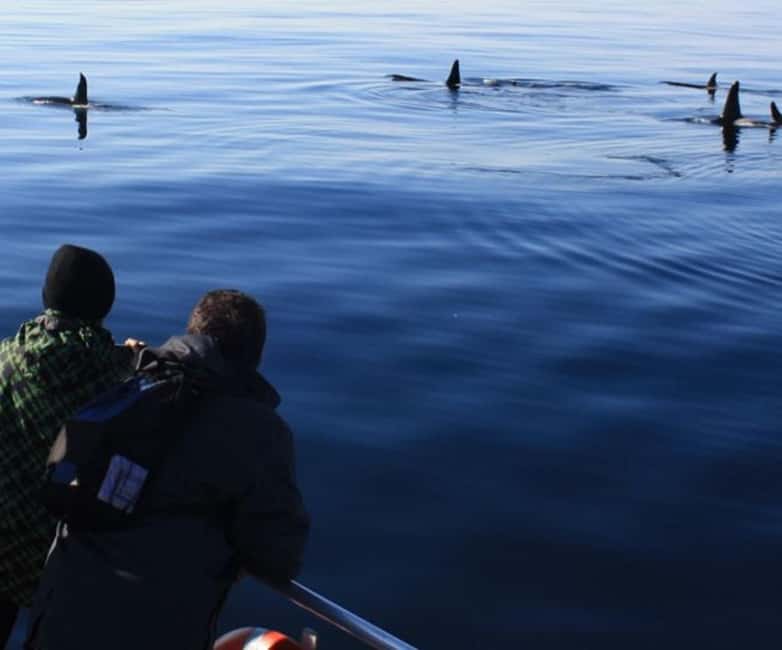
If you’ve only seen whale watching from a distance, Andenes can change your expectations. The whole setup is built around a simple goal: get you in position when whales surface close enough to make the water suddenly feel alive. In the Arctic, those moments can be short. A blow, a spout, and then motion on the surface, and suddenly the boat is adjusting its attention.
What makes this trip stand out is the mix of instruction and comfort. You’re not just chasing sightings in the cold. You’re learning how marine professionals think about whale behavior, timing, and habitat, while you stay warm in an indoor cabin with hot food. And once you’re on the deck, you’re close enough to actually see what the experts are pointing out, from the shape of a blow to seabirds shifting over the water.
The catamaran style also matters. The boat is described as wildlife-friendly and designed for stability, which you feel most when seas pick up. In real life, even when conditions are a bit rough, the experience can still deliver strong sightings, like the kind of trip where people reported multiple whale sightings despite unsettled water.
Meeting at Andenes Harbor, Check-in Timing, and Parking Reality
This tour starts at Østre Havn in Andenes, and your first job is to show up on time. You check in 1 hour before the scheduled departure, not 10 minutes before with a sprint. You’ll meet at the black reception container beside the large red harbor buildings, with the sign for Arctic Whale Tours on the red structure.
Parking is available a few meters away, first come first served. That’s one of those details that matters in small harbors: if you arrive late, you may not find a close spot. If you’re using public transport, the meeting area is near the Andenes-Gryllefjord (Senja) Ferry, so it’s easier to connect than it might be elsewhere in Northern Norway.
Practical tip: if you want good photos, treat check-in like part of your trip, not a chore. By the time you board, you’ll be ready to find your viewing position without rushing in the cold.
Boat Setup That Keeps You Warm While You Look for Whales
The boat experience here has two sides: warm indoors and a working viewing deck outside.
When you first board, you get a safety briefing and you’ll likely head inside to get oriented. There is a heated indoor cabin with seating, which is a big deal in Andenes weather. You’ll also be served a light meal: hot soup, fresh bread, tea, coffee, and biscuits. One review noted they received soup that felt like a quicker convenience option, so if you’re picky about texture, your biggest takeaway is that it’s meant to keep you warm, not to replace a restaurant meal.
Then there’s the outside deck. The point is simple: whales can surface anywhere you might be looking, and you do not want a cramped, window-only setup. You’re allowed to stay on the deck for wildlife spotting, and you can switch between warm indoors and cold outdoors as needed.
Responsible rules are part of the setup too. You must not touch marine life, and drones are not allowed. There’s also a clear no-smoking and no intoxication or drugs policy. These rules protect wildlife and also protect the experience for everyone who came for nature, not chaos.
The 4-Hour Flow: From Safety Briefing to Spotting in Arctic Water
The trip is listed as a 4-hour experience, but the real duration runs 3-5 hours depending on conditions and where marine life is moving that day. That variability is normal in whale watching, and the team adapts based on recent sightings and sea conditions.
Here’s how the trip typically unfolds, in the order you’ll feel it:
First, check in at the black container and complete the on-site welcome. Then you board and get a safety briefing, including life vests and basic boat behavior. After that, the boat heads into open water where the search begins.
Next comes the active part: scanning for whales, orcas, dolphins, and seabirds. The crew and marine biologists provide commentary throughout the journey, so you know what you are looking for, and you’re less likely to stare at the horizon blindly. Because the route can change daily, you’ll feel the ship repositioning toward areas with the best chance, rather than waiting in one place until time runs out.
As the search continues, you’ll get that warm-food break onboard. This is not just a snack. In cold weather, warm soup and hot drinks are what keep your attention steady and your hands working for binoculars.
Finally, you return to the harbor after the planned 3-5 hour window, again depending on wildlife activity and sea conditions. If you do not see whales, you may qualify for Whale Pass rebooking, subject to availability.
What You’re Really Looking For: Sperm Whales, Orcas, and Arctic Birds
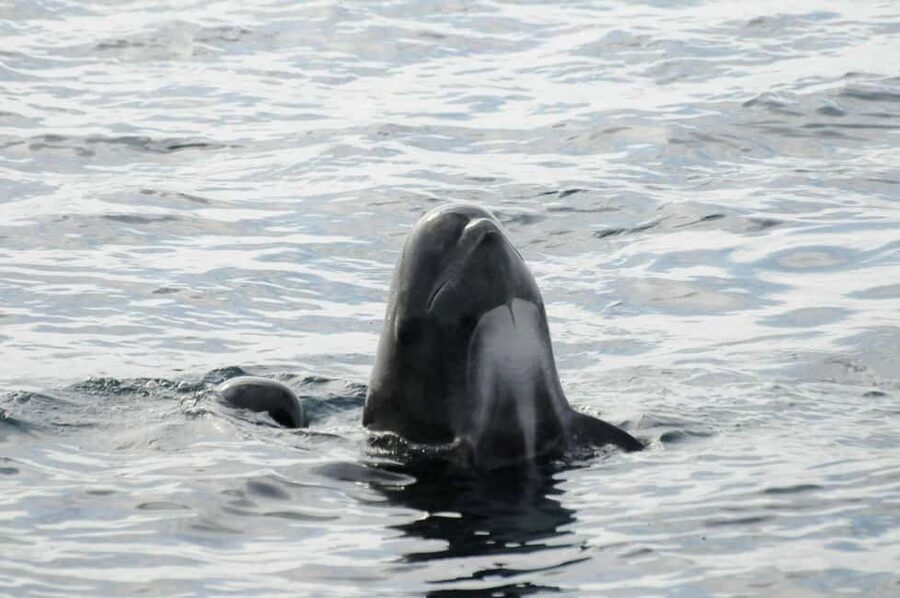
The attraction of Andenes is that the water can produce multiple kinds of marine life in the same outing. You’re not locked into a single-species promise. Instead, you search for whales, orcas, dolphins, and seabirds, and you pay attention to the patterns around them.
The wildlife targets you should keep in mind:
- Mighty sperm whales are specifically mentioned as a key possibility.
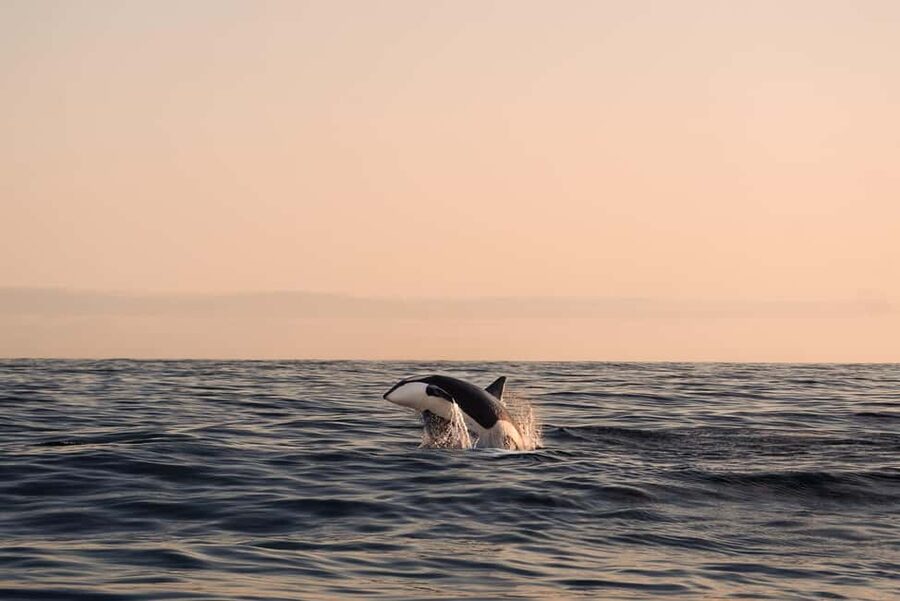
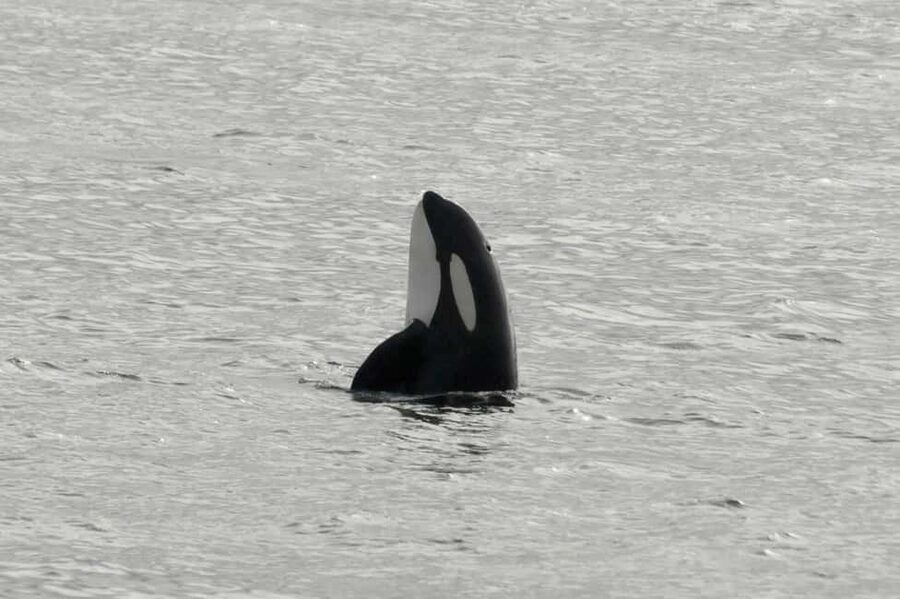
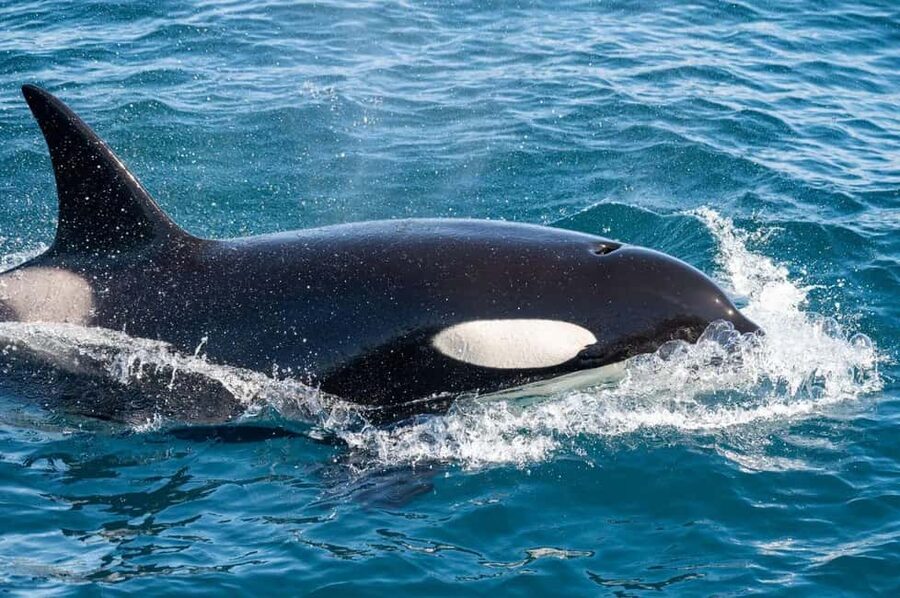
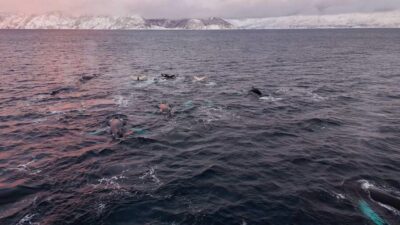
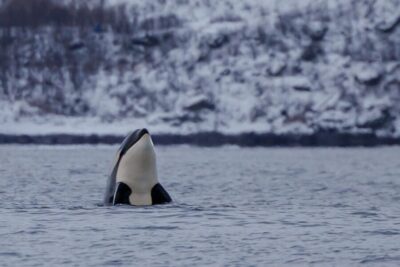
- Orcas may show up as pods, and when they do, their behavior can be a highlight.
- Dolphins are also part of the spotting plan.
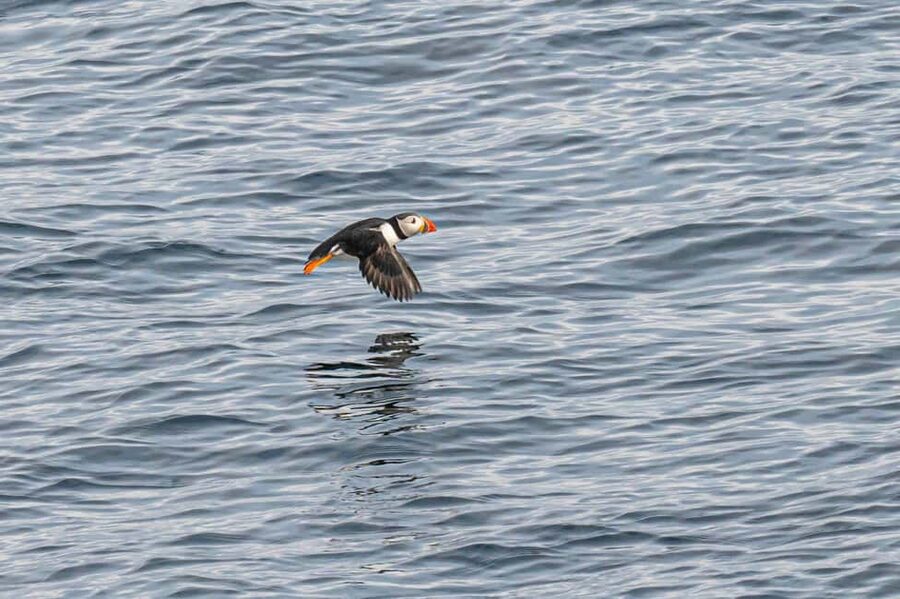
- Seabirds can be just as exciting. Puffins and sea eagles are mentioned, and birds can help you track feeding areas where marine life concentrates.
In practice, the thrill is in timing. Whales surface, sometimes linger briefly, and then move. If you’ve never seen a whale surface beside a boat, it’s a sharp reminder that you are watching real animals do real things, not a slow-moving museum exhibit.
Also, remember the boat positioning matters. When the guides find activity, you’ll likely stay engaged rather than drifting away from the best viewpoint. This is one reason the guided commentary helps. It trains your eyes to look for the signs that come before the big moment.
Whale Pass Rebooking: A Practical Safety Net
No one can guarantee whale sightings in the Arctic. That’s why the Whale Pass policy is meaningful. If you do not see whales during your tour, you get a free rebooking option. It’s subject to availability, so you should treat it as a real chance to try again, not a guaranteed second whale day.
I like Whale Pass because it changes how you plan mentally. You can go in with realistic expectations, knowing there’s a defined path to improve your chances. It also encourages you to take the experience seriously on the first trip, since you still want the guides and route to do their job now.
Just understand the practical side: you still need to dress for the weather, and you still need to be ready for the tour to shift or adjust based on sea conditions and whale location.
Price and Value at $183: What You Pay For, and What You Don’t
At about $183 per person for a half-day style excursion, this is not a budget activity. But whale watching rarely is. The value comes from four things you’re actually paying for: expert guidance, serious boat time in Arctic waters, comfort, and responsible rules.
You’re not just buying access to water. You’re buying:
- experienced local crew and marine biologists
- a wildlife-friendly boat setup for viewing and stability
- heated indoor seating
- a light onboard meal with warm soup, bread, and hot drinks
- Whale Pass rebooking if whales are not seen
- life vests and safety equipment
You do not get transportation to and from the meeting point, and you’ll want to plan for your own sea-sickness prevention if you are prone to that. Travel insurance isn’t included either.
Is it worth it? For me, the answer depends on your priorities. If you want a serious shot at sperm whales or orcas plus strong guidance, it’s priced in a way that feels aligned with the effort and unpredictability of the region. If you’re only chasing a quick photo with minimal instruction, you might find other activities cheaper. But if you want the meaning behind responsible whale watching, this is a solid package.
Comfort, Seasickness, and the Real Weather Factor
This tour is weather-dependent and may be canceled or rescheduled on short notice for safety reasons. That’s not a complaint. It’s how Arctic sea work keeps people safe.
If you are prone to seasickness, the information here is blunt: you should take preventive medication before departure, and the tour is not suitable for people prone to seasickness. That might sound extreme, but it’s consistent with the basic reality that open water can affect your stomach fast, especially if conditions are choppy.
What you can control:
- wear warm, layered clothing
- bring rain gear and waterproof shoes
- bring gloves and a hat, so your body stays warm enough to focus
- consider binoculars, if you like to track birds and surfacing patterns
Also, avoid oversize luggage and leave non-essential items behind. The boat is designed for viewing, so keep it simple.
Language Speed: English Commentary Is Useful, But You Need to Keep Up
The tour guide provides live commentary in English. That’s great for many people. One review experience highlights the main caution: if your English is intermediate or you’re tired in cold wind, you might find the commentary comes fast enough that you miss details.
My practical advice is to set your expectations. You do not need perfect English to enjoy the spotting. You do need enough to catch the key words about whale behavior and what the guide is currently watching for. If you learn a few basic marine terms before you go, the experience will feel smoother once you’re out on the water.
Who Should Book, and Who Should Skip This Andenes Whale Trip
This is family-friendly in the sense that it’s designed for people who enjoy nature and want an organized experience with clear rules. It’s a good fit if you’re:
- a nature lover who wants real guidance
- a photographer looking for close-up surfacing moments
- someone who wants warm, indoor comfort paired with outdoor deck time
- a traveler who values responsible wildlife tourism
It’s not suitable for:
- pregnant women
- people with mobility impairments
- people prone to seasickness
- babies under 1 year
I’d add one more “fit” question for you. Are you comfortable with weather uncertainty? If you dislike plans changing, whale watching anywhere can feel stressful. If you can roll with it, the trip becomes part of the Arctic adventure.
Should You Book Andenes Responsible Whale Watching?
I’d book this if your goal is clear: get a guided shot at Arctic whales in Andenes, with marine experts and enough comfort to actually enjoy the wait. The biggest reasons to go are the close-up potential and the way the guides connect sightings to marine behavior, not just entertainment.
Skip it if you know you tend to get severely seasick, if mobility is an issue for you, or if your trip schedule cannot handle a possible short-notice change due to weather safety. Also, if English speed is a concern, plan to rely more on the spotting than on catching every detail of the commentary.
If you want my bottom line: for most travelers who can handle cold wind and variable conditions, this is a thoughtful way to see whales responsibly from Andenes, with warmth and expert guidance built into the experience.
More Boat Tours in Andenes
- From Bergen: The Original Fjord Cruise to Mostraumen
★ 4.7 · 8,440 reviews - Stavanger: Electric Fjord Cruise to Lysefjord & Preikestolen
★ 4.6 · 8,385 reviews - Oslo: Oslo Fjord Sightseeing Cruise by Sailing Ship
★ 4.5 · 5,790 reviews - Oslo: Scenic Fjord Cruise with Audio Guide Commentary
★ 4.5 · 5,375 reviews
More Whale Watching in Andenes
- Tromsø Whale Safari with MS Gabriele
★ 4.3 · 1,937 reviews - From Tromso: Whale Watching in Magic Skjervoy
★ 4.7 · 1,207 reviews - Silent Whale Watching by Hybrid-Electric Boat from Tromsø
★ 4.5 · 1,017 reviews - Bleik: Whale Watching by Speedboat with Puffins and Muffins
★ 4.7 · 326 reviews
Whale Watching, compared.
Silent Whale Watching by Hybrid-Electric Boat from Tromsø
Read our review →
Bleik: Whale Watching by Speedboat with Puffins and Muffins
Read our review →

From Skjervøy: Whale Watching in a Heated Cabin Cruiser
Read our review →Browse the lists this tour appears in