
Reviewed · CRUISES & BOAT TOURS
Måløy: Scenic boat tour with guided stop on Selja Monastery
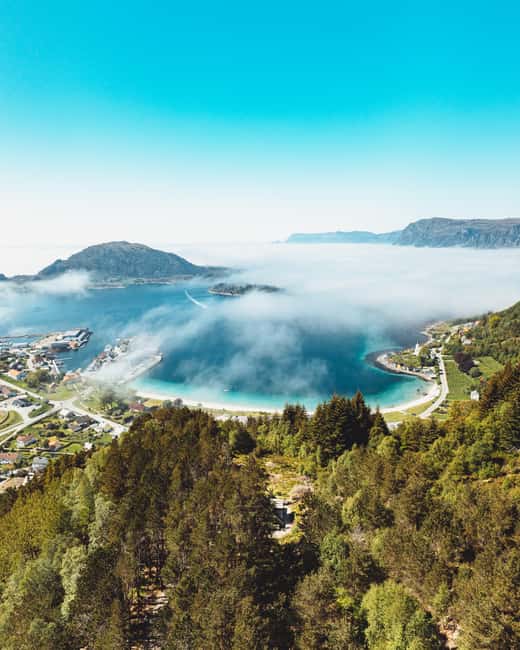
The most interesting part of this trip is how Norway looks from the water. You start in Måløy, then slide north past islands, cliffs, lighthouses, and fishing farms, all while a live guide connects the scenery to stories you can actually picture.
I especially like the Selja Island stop, because you get time on the monastery grounds instead of just cruising by. I also really love the payoff that comes with the Sunnivacave climb, where the view is spectacular if you’re steady on your feet. One thing to consider up front is that the tour is English-guided, and if your English is shaky, you might miss some of the detail.
Key things to know before you go
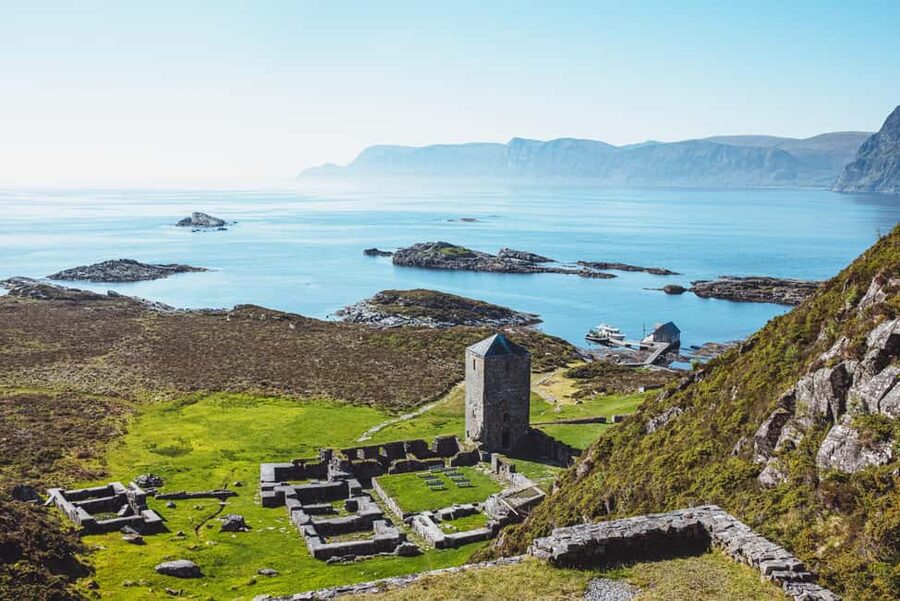
- Selja Island shore time includes a guided visit around the monastery area.
- Sunnivacave stairs are real and can feel steep, so bring solid shoes.
- Stad Peninsula route views are a big part of the value, with dramatic cliffs from sea level.
- Wildlife spotting includes chances to see sea eagles overhead.
- Lighthouse passes are part of the narration, including Ulvesund, Kråkenes, and Skongenes.
- English-only guide means you should be comfortable following a live explanation.
Måløy to Stad Peninsula, a boat route built for big views
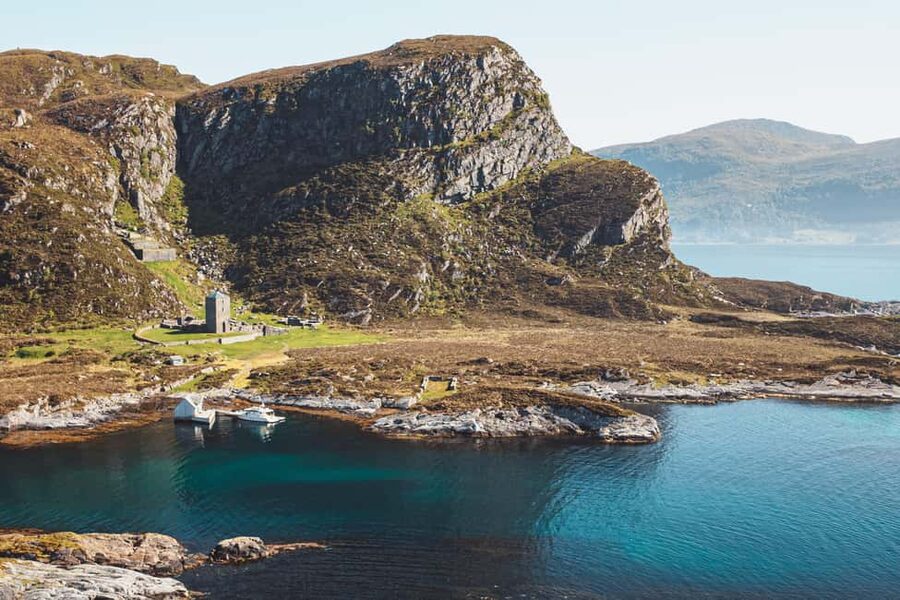
This is a guided boat tour that starts at the cruise pier in Måløy kystrutekai. Right away, you’re trading street-level sightseeing for a coastline view that feels more honest. The guide points out what you would never notice from land, including the way the coast bends and where the open North Sea makes navigation feel serious.
As you head north, you pass Silda Island, a fisher-focused island with a strong sense of place. Then the scenery ramps up as you reach the Stad Peninsula area, famous for rugged cliffs and rough weather patterns. If you enjoy photos, this is the kind of route where your camera actually gets used, because the angles change constantly.
A practical note: since this is a boat outing and weather can switch fast, bring warm layers. Also, plan to stay alert for announcements, because the best viewpoints are timed with the ship’s movement.
Selja Monastery and Sunnivacave, the stop that makes the whole trip
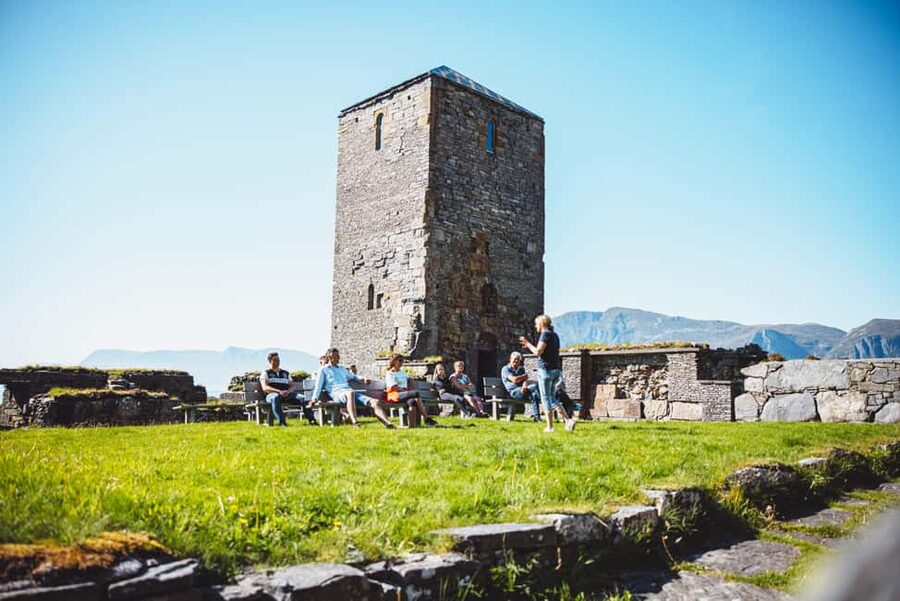
The heart of the tour is your Selja Island stop and guided walk around the Selja Monastery area. You’re not just touring buildings. You’re learning the legend connected to St. Sunniva, Norway’s only female saint, and how the site became part of local faith and storytelling.
You’ll also get the chance to climb up to the monastery’s tower for views. That alone is worth the effort because the monastery sits in a dramatic coastal setting, and the perspective from above helps the rest of the route make sense.
Then comes Sunnivacave. From what you’re told, and from what the site demands physically, this is the moment most people remember. The stairs can be steep, so treat this part like a mini hike, not a casual stroll. Bring comfortable, grippy shoes, and take your time on any slick stone surfaces.
If you like a place that feels both historic and atmospheric, this stop delivers. If you’re uncomfortable with stairs, you’ll feel that instantly at Sunnivacave, so be honest with yourself before you commit.
Vikings, sea currents, and why this coast feels different
One of the smartest parts of the experience is that the guide connects geography to human decisions. You hear about Viking-era stories tied to these waters, including the idea of avoiding dangerous conditions by pulling boats over a mountain instead of fighting the worst currents.
This matters because it turns the Stad Peninsula from a pretty name into a real obstacle. When the guide points out how narrow passages and cliffs shape travel, you start to understand why lighthouses matter so much here.
You’ll also pass the location of the world’s first full-scale ship tunnel through the Stad Peninsula. You don’t need engineering vocabulary to appreciate it. The point is simple: someone designed a safer route around a famously hazardous stretch. From the boat, that context feels immediate, because you can see why a workaround was necessary.
Lighthouses and sea eagles, the scenery with a soundtrack
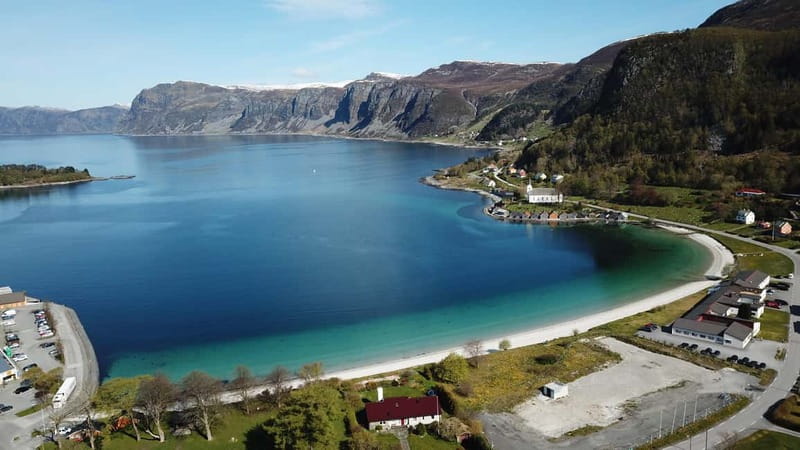
The boat route includes lighthouse passes, with narration that helps you understand why these towers still have a job to do. Notable ones mentioned include Ulvesund Lighthouse, Kråkenes Lighthouse (known for breaking wind records), and Skongenes Lighthouse. Even if you’ve seen lighthouses before, seeing them from water level changes the scale.
This is also one of the better segments for wildlife. Keep an eye out for sea eagles soaring above the water. They’re not guaranteed, but the timing and the coastline shape make it a good bet. The guide also points things out when spotting becomes likely, which saves you from staring at the horizon for 160 minutes.
You may also pass salmon farms. The guide can explain sustainable aquaculture practices at a level that stays practical, and it gives you context for why this region supports a world-class seafood industry.
Selje village and the Selje Church photo stop
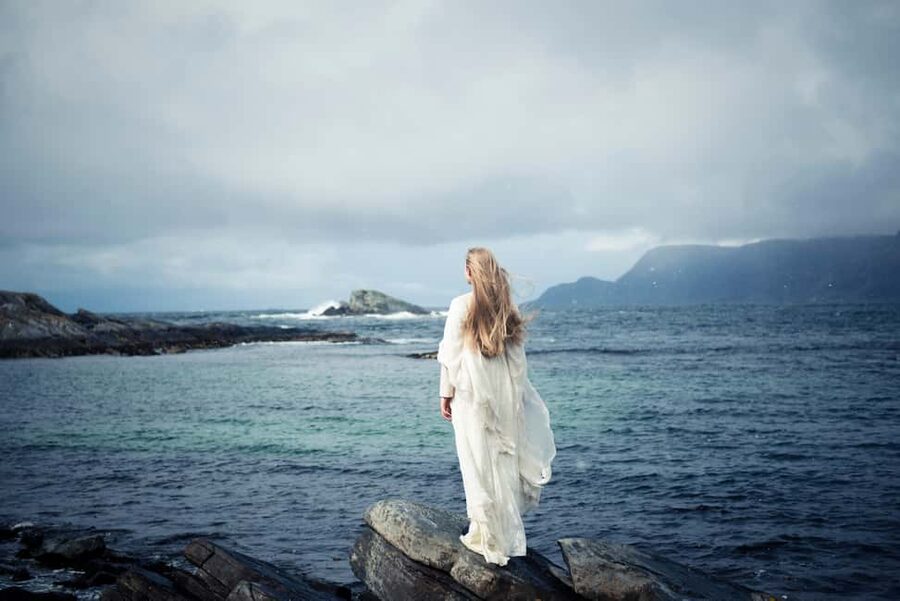
On the way, you pass the picturesque village of Selje and the historic Selje Church, with a stop near the church by a white beach. This is the calm break in an otherwise dramatic route, and it’s a nice moment to get your feet on solid ground and reset your senses.
There’s also a photo stop scheduled during the cruising portion, so you get at least two “pause and frame the shot” moments. I like that approach because it lets you photograph without rushing. Still, keep an eye on timing. When you’re on Norway’s coast, you can’t force the weather to cooperate.
If you enjoy walking to take in a view, this beach area is a good spot to stretch your legs. If you’re hoping for a long wander, you should adjust expectations since most of the real exploration time is focused on Selja Island’s monastery area.
What 160 minutes feels like in real life
A 160-minute tour is long enough to feel satisfying but short enough that you don’t get dragged into a full day of logistics. That’s a big reason the value works. You get boat cruising plus a guided shore visit, and the route covers several distinct coastal “moods.”
Here’s how it typically lands for your body and attention:
- You’ll spend most of the time on the water and rely on narration and viewpoints for engagement.
- You’ll have a concentrated block of time ashore at Selja, where stairs and the cave can slow you down in a good way if you’re careful.
- You’ll get additional visual stops and passes, like the photo moments and lighthouse scenery.
If you’re prone to motion sickness, this is the part to think seriously about. The tour is not described as gentle, and it’s also not designed for wheelchair users. If you’re okay with boats but nervous, wear layers and consider what usually helps you on choppy days.
Price and value: is $94 per person fair?
At $94 per person for about 160 minutes, this isn’t a cheap souvenir-type outing. The value comes from the combination: a guided boat ride with multiple named coastal highlights, plus a guided shore visit on Selja Island that includes the monastery area and the Sunnivacave experience.
You’re paying for three things you can’t easily replicate on your own without research and timing:
- A guided explanation tied to what you’re seeing at sea level.
- Access to the Selja Island monastery area within a structured time window.
- Guided “spotting” help, like sea eagle chances and context for lighthouses and maritime features.
If you simply want views, a short coastal cruise might be less. But if you want the stories and the monastery/cave stop, this price starts to feel reasonable.
Also, remember you’re not buying meals, so plan snacks if you need them. Bringing water and a small snack makes the pacing more comfortable.
Getting the most out of it: shoes, layers, and the English guide
This trip runs on weather. Wear layers so you can adjust when wind kicks in. Warm clothing matters because you’ll be out on the water, and the wind near cliffs can feel colder than you expect.
For the shore part, comfortable, grippy shoes are not optional. The Sunnivacave climb includes stairs, and stone can be slippery. Take it slow. Even if you’re fit, your footing is the limiting factor here.
Bring a camera, obviously, but also bring patience. The best photos often happen when the boat lines up with the coast, and that takes time. Insect protection is also a smart idea. One guest noted mosquito protection helped, and that lines up with the reality of coastal Norway in many seasons.
Finally, know the guide is English. If you’re traveling in a group where someone is less confident with English, the narration might feel frustrating. If your English is solid, you’ll likely get a lot more out of the Viking and navigation stories.
Who should book this tour?
Book it if you want a guided coastal experience that mixes big scenery with a specific, memorable stop on Selja Island. It’s ideal for people who:
- Like boats and want views you cannot get from the road
- Enjoy legends connected to real places
- Are comfortable with stairs, including the Sunnivacave area
- Want lighthouse passes and a chance at sea eagles
Skip it if you:
- Get motion sickness easily
- Need wheelchair-friendly access
- Want a non-stairs, slow walking day
If you fall in the middle, your decision hinges on your comfort level with the cave stairs and the boat ride.
Should you book this guided Måløy to Selja and Stad tour?
If you’re choosing between a “just cruise” outing and something with a standout onshore stop, this one leans the right way. The best reason to book is that it combines Selja Monastery and Sunnivacave with a route full of named maritime landmarks, including lighthouses and the ship tunnel area.
Go for it if you’ll wear proper shoes, bring layers, and you’re okay following an English guide. Don’t book if stairs or boats are a deal breaker.
FAQ
FAQ
How long is the tour?
The tour duration is 160 minutes.
Where do I meet the guide?
Meet at the cruise pier after the gate, next to the Måløy Tours caravan. Look for a guide holding a Fjord Guiding sign.
What language is the tour guide?
The live tour guide speaks English.
What is included in the guided experience?
It includes a guided boat tour, a visit to Selja Island and the ancient monastery, views of Silda Island, the Stad Peninsula, and lighthouses, plus wildlife encounters.
What is not included?
Meals and drinks are not included, and there is no hotel pickup and drop-off.
Is there time ashore on Selja Island?
Yes. The tour includes a guided stop on Selja Island where you go ashore to explore the monastery area.
Is this tour suitable for wheelchair users?
No, it is not suitable for wheelchair users.
Is the tour suitable for people who get seasick?
No, it is not suitable for people prone to seasickness.
What should I bring?
Bring comfortable shoes, warm clothing, a camera, snacks, and water.
Are pets allowed, and is smoking allowed?
Pets are not allowed, and smoking is not allowed.
Is cancellation free if I cancel at the last minute?
You can cancel up to 24 hours in advance for a full refund.
Is there a reserve now, pay later option?
Yes. You can reserve now and pay later.
More Boat Tours in Maloy
- From Bergen: The Original Fjord Cruise to Mostraumen
★ 4.7 · 8,440 reviews - Stavanger: Electric Fjord Cruise to Lysefjord & Preikestolen
★ 4.6 · 8,385 reviews - Oslo: Oslo Fjord Sightseeing Cruise by Sailing Ship
★ 4.5 · 5,790 reviews - Oslo: Scenic Fjord Cruise with Audio Guide Commentary
★ 4.5 · 5,375 reviews
Cruises & Boat Tours, compared.
Electric Fjord Cruise to Lysefjord & Preikestolen
Read our review →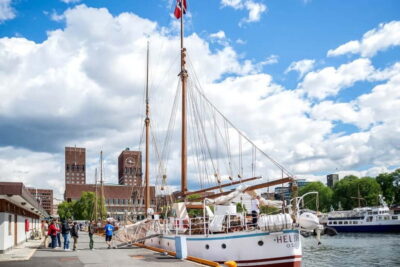
Oslo Fjord Sightseeing Cruise by Sailing Ship
Read our review →
Scenic Fjord Cruise with Audio Guide Commentary
Read our review →
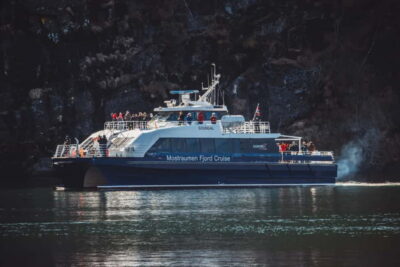
Mostraumen Fjord Cruise – with Local Tour Guides
Read our review →
Arctic Fjord Cruise With Stop On Land At Fish Racks
Read our review →Browse the lists this tour appears in